

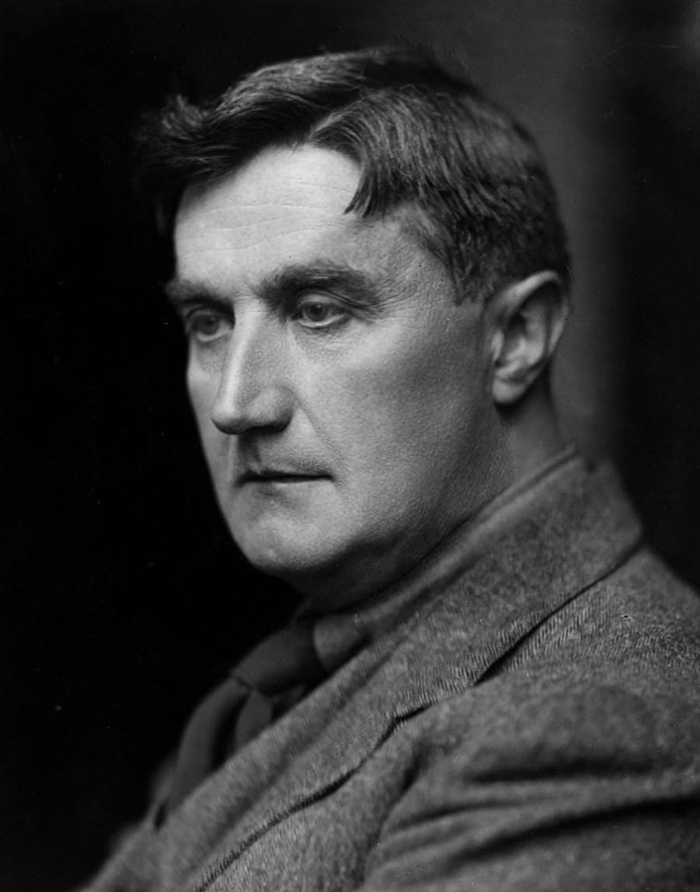
Q1. In which year was Ralph Vaughan Williams born?
A. 1862
B. 1872
C. 1882
D. 1892
Answer: B. 1872
Q2. Ralph Vaughan Williams was a great-grandson of which famous naturalist through his mother’s side?
A. Charles Darwin
B. Alfred Russel Wallace
C. Thomas Huxley
D. Joseph Hooker
Answer: A. Charles Darwin
Q3. What was the first instrument Ralph Vaughan Williams learned to play as a child?
A. Violin
B. Piano
C. Organ
D. Cello
Answer: B. Piano
Q4. At which public school did Ralph Vaughan Williams organize his first concert featuring his own composition?
A. Eton College
B. Charterhouse School
C. Harrow School
D. Winchester College
Answer: B. Charterhouse School
Q5. Which university did Ralph Vaughan Williams attend for his music and history studies, graduating with a Bachelor of Music in 1894?
A. Oxford University
B. University of London
C. Trinity College, Cambridge
D. Durham University
Answer: C. Trinity College, Cambridge
Q6. Who was one of Ralph Vaughan Williams’s key composition teachers at the Royal College of Music, influencing his English choral tradition?
A. Gustav Holst
B. Hubert Parry
C. Edward Elgar
D. Benjamin Britten
Answer: B. Hubert Parry
Q7. In which city did Ralph Vaughan Williams study orchestration with Maurice Ravel from 1907 to 1908 to add “French polish” to his music?
A. Berlin
B. Vienna
C. Paris
D. Rome
Answer: C. Paris
Q8. When did Ralph Vaughan Williams begin actively collecting English folk songs in the countryside?
A. 1890s
B. 1903–1904
C. 1910s
D. 1920s
Answer: B. 1903–1904
Q9. What role did Ralph Vaughan Williams play in the publication of The English Hymnal in 1906?
A. Music editor
B. Principal conductor
C. Lead illustrator
D. Financial sponsor
Answer: A. Music editor
Q10. Which musical festival did Ralph Vaughan Williams found and conduct as principal from 1905 until 1953?
A. Three Choirs Festival
B. Leeds Festival
C. Leith Hill Musical Festival
D. Proms
Answer: C. Leith Hill Musical Festival
Q11. During World War I, what role did Ralph Vaughan Williams initially serve in as a volunteer, lying about his age to enlist?
A. Officer in the infantry
B. Stretcher-bearer in the Royal Army Medical Corps
C. Musician in the band
D. Dispatch rider
Answer: B. Stretcher-bearer in the Royal Army Medical Corps
Q12. From 1919 to 1939, Ralph Vaughan Williams taught composition at which institution?
A. Trinity College, Cambridge
B. Royal Academy of Music
C. Royal College of Music
D. Guildhall School of Music
Answer: C. Royal College of Music
Q13. In 1921, Ralph Vaughan Williams succeeded Hugh Allen as conductor of which prominent choir?
A. The King’s Singers
B. The Bach Choir
C. The BBC Singers
D. The Hallé Choir
Answer: B. The Bach Choir
Q14. What is the full title of Ralph Vaughan Williams’s Symphony No. 1, premiered in 1910?
A. A Pastoral Symphony
B. A London Symphony
C. A Sea Symphony
D. Sinfonia antartica
Answer: C. A Sea Symphony
Q15. Which symphony by Ralph Vaughan Williams evokes impressions of urban London and was composed between 1911 and 1913?
A. Symphony No. 3
B. Symphony No. 2, A London Symphony
C. Symphony No. 6
D. Symphony No. 9
Answer: B. Symphony No. 2, A London Symphony
Q16. What inspired the mood of Ralph Vaughan Williams’s Symphony No. 3, A Pastoral Symphony, composed in 1921?
A. English countryside idyll
B. War-ravaged French landscapes
C. Antarctic exploration
D. Tudor church music
Answer: B. War-ravaged French landscapes
Q17. Known for its dissonant and violent character, in which key is Ralph Vaughan Williams’s Symphony No. 4?
A. D major
B. E minor
C. F minor
D. G major
Answer: C. F minor
Q18. Ralph Vaughan Williams’s Symphony No. 5 in D major (1943) draws material from which of his long-term projects?
A. Hugh the Drover opera
B. The Pilgrim’s Progress
C. Job ballet
D. English Folk Song Suite
Answer: B. The Pilgrim’s Progress
Q19. From which film score was Ralph Vaughan Williams’s Symphony No. 7, Sinfonia antartica, reworked in 1952?
A. 49th Parallel
B. Scott of the Antarctic
C. The Vision of William Blake
D. The Story of Time
Answer: B. Scott of the Antarctic
Q20. What unusual instruments feature in Ralph Vaughan Williams’s Symphony No. 9 in E minor, completed in 1957?
A. Harp and celesta
B. Mandolin and guitar
C. Saxophones and flugelhorn
D. Theremin and ondes Martenot
Answer: C. Saxophones and flugelhorn
Q21. On what folk-inspired theme is Ralph Vaughan Williams’s opera Hugh the Drover (premiered 1924) based?
A. A medieval pilgrimage
B. A romantic ballad of love in the stocks
C. A witch’s curse in a village
D. A shepherd’s lament
Answer: B. A romantic ballad of love in the stocks
Q22. Ralph Vaughan Williams’s opera Sir John in Love (1928) is based on which Shakespeare play?
A. The Merry Wives of Windsor
B. Hamlet
C. A Midsummer Night’s Dream
D. Othello
Answer: A. The Merry Wives of Windsor
Q23. Which one-act opera by Ralph Vaughan Williams sets J. M. Synge’s play about Aran Islands fishermen?
A. The Poisoned Kiss
B. Riders to the Sea
C. Thomas the Rhymer
D. The Shepherds of the Delectable Mountains
Answer: B. Riders to the Sea
Q24. How many years did Ralph Vaughan Williams intermittently work on his morality opera The Pilgrim’s Progress before its 1951 premiere?
A. 10 years
B. 25 years
C. 45 years
D. 60 years
Answer: C. 45 years
Q25. What literary source inspired Ralph Vaughan Williams’s ballet Job: A Masque for Dancing (1930)?
A. John Milton’s Paradise Lost
B. William Blake’s Illustrations of the Book of Job
C. The Bible’s Book of Genesis
D. Geoffrey Chaucer’s Canterbury Tales
Answer: B. William Blake’s Illustrations of the Book of Job