Iran’s 31 provinces span diverse climates and cultures, from the Caspian forests to the Persian Gulf. Each holds a unique history, with Tehran serving as the nation’s political heart.
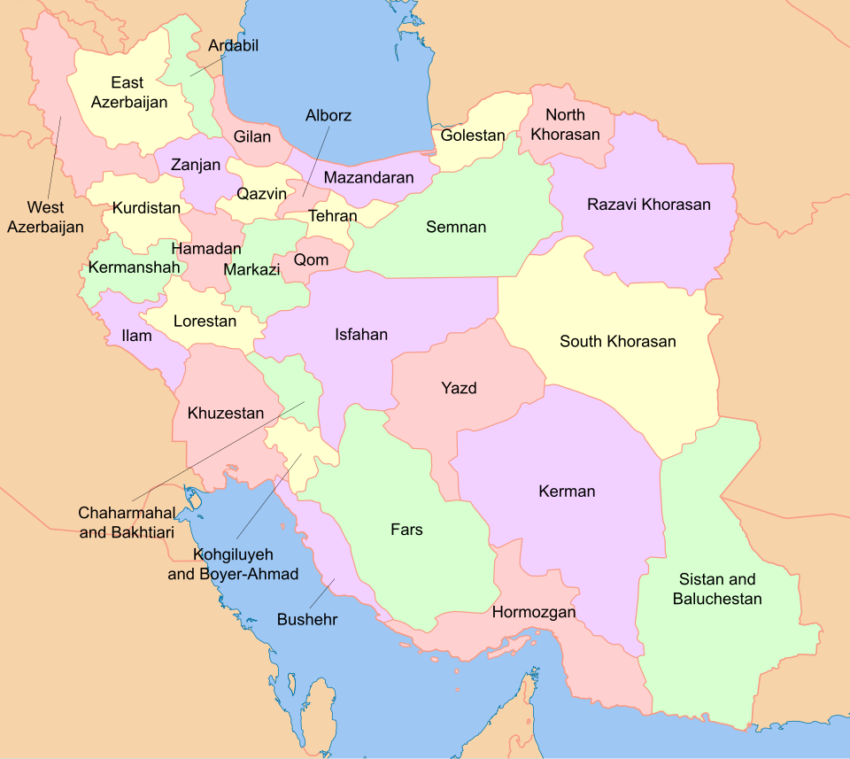



Iran’s 31 provinces span diverse climates and cultures, from the Caspian forests to the Persian Gulf. Each holds a unique history, with Tehran serving as the nation’s political heart.
Geopolitics (Questions 1-7)
Q1. On February 11, 2026, which world leaders met amid rising tensions with Iran over its nuclear program?
A) Joe Biden and Vladimir Putin
B) Donald Trump and Benjamin Netanyahu
C) Keir Starmer and Emmanuel Macron
D) Xi Jinping and Narendra Modi
Correct Answer: B.
Explanation: U.S. President Donald Trump met Israeli Prime Minister Benjamin Netanyahu to discuss threats from Iran, including potential military actions if negotiations fail.
Q2. What action did the U.S. consider on February 11, 2026, to pressure Iran regarding its oil exports?
A) Imposing new tariffs on Iranian goods
B) Lifting sanctions on Iranian banks
C) Seizing tankers carrying Iranian oil
D) Signing a new nuclear deal
Correct Answer: C.
Explanation: U.S. officials discussed seizing additional tankers transporting Iranian oil to impact global markets and force Tehran to negotiate.
Q3. On February 11, 2026, Iran’s officials stated that which aspect of their defense program was non-negotiable amid talks with the U.S.?
A) Nuclear enrichment levels
B) Ballistic missile program
C) Regional alliances
D) Oil export quotas
Correct Answer: B.
Explanation: Iranian officials drew a red line on their ballistic missile program while expressing willingness to discuss nuclear issues.
Geopolitics & World News Involving India (Questions 1-12)
Q1. On 13 January 2026, India unveiled the logo and website for which upcoming international grouping presidency?
A) G20
B) SCO
C) BRICS
D) ASEAN
Correct Answer: C.
Explanation: External Affairs Minister S. Jaishankar launched the lotus-inspired logo and official website for India’s BRICS Presidency in 2026, marking the grouping’s 20th anniversary.
Q2. Which country ended the value-added tax (VAT) exemption on birth control drugs and devices on 13 January 2026?
A) India
B) China
C) Iran
D) Russia
Correct Answer: B.
Explanation: China imposed a 13% VAT on these items as part of measures to address declining birth rates.
Q3. Chief of Army Staff General Upendra Dwivedi, on 13 January 2026, stated that India considers which 1963 agreement illegal?
A) Indo-China Border Agreement
B) Pakistan-China agreement on Shaksgam Valley
C) Shimla Agreement
D) Tashkent Agreement
Correct Answer: B.
Explanation: India does not approve of any activities in the Shaksgam Valley, viewing the 1963 Pakistan-China cession as illegal.
Geopolitics and World News (Questions 1-11)
Q1. Which country experienced widespread anti-government protests on 12 January 2026, with reports of over 500 protester deaths according to human rights groups?
A) Syria
B) Iran
C) Venezuela
D) Cuba
Correct Answer: B.
Explanation: Mass protests in Iran escalated, with a US-based rights group reporting over 500 deaths and thousands arrested amid a crackdown.
Q2. On 12 January 2026, the US conducted large-scale airstrikes against which terrorist group in Syria?
A) Al-Qaeda
B) Islamic State (ISIS)
C) Taliban
D) Hezbollah
Correct Answer: B.
Explanation: US Central Command launched strikes on multiple Islamic State targets in Syria.
Q3. Which country was warned by US President Donald Trump on 12 January 2026 regarding potential unrest following changes in Venezuela?
A) Iran
B) Nicaragua
C) Cuba
D) Bolivia
Correct Answer: C.
Explanation: Trump issued a warning to Cuba, a close ally of the deposed Venezuelan leader, as it faced loss of oil supplies.
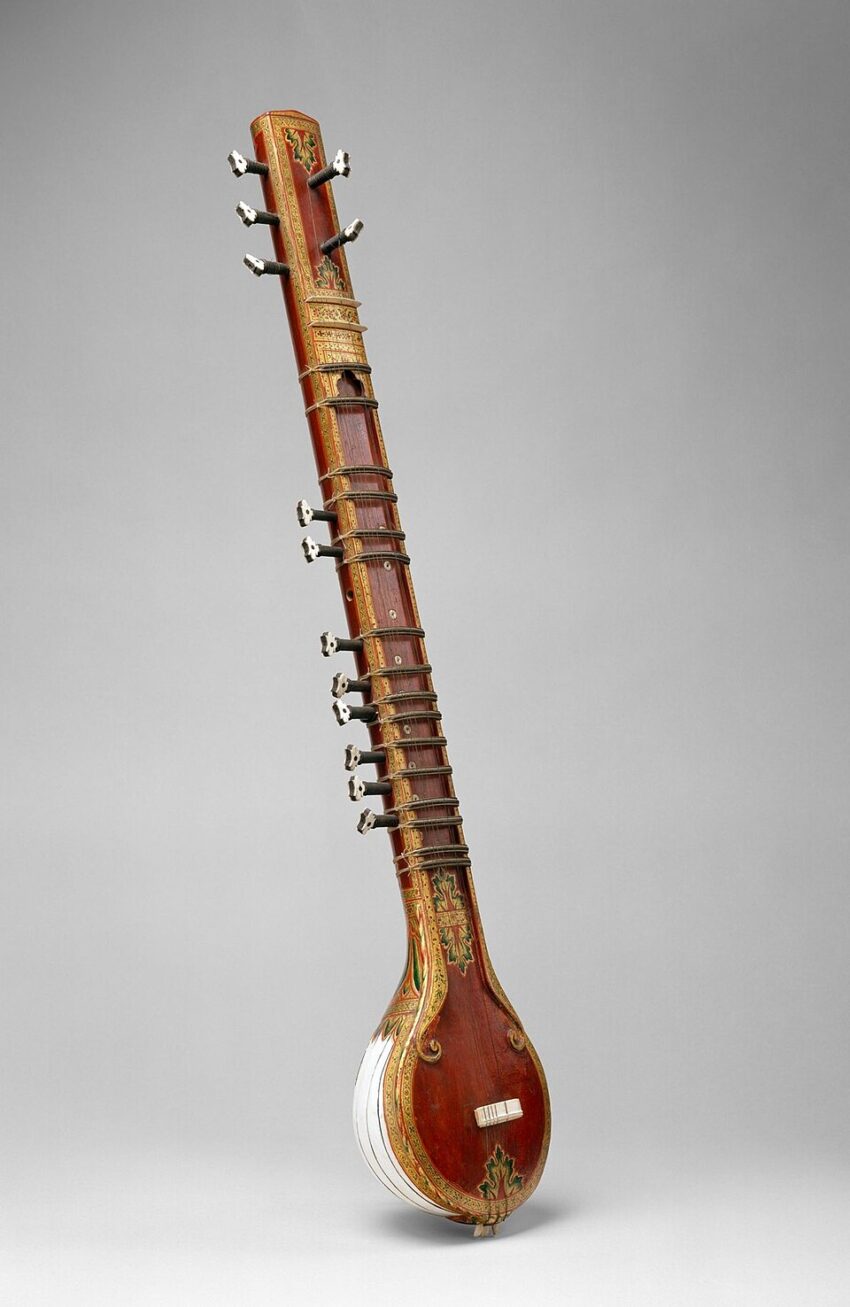
Q1. What is the primary musical tradition in which the sitar is predominantly used?
A. Carnatic classical music
B. Hindustani classical music
C. Sufi devotional music
D. Folk music of South India
Answer: B. Hindustani classical music
Q2. The sitar is believed to have evolved from which ancient Indian instrument?
A. Tanpura
B. Sarod
C. Veena
D. Tabla
Answer: C. Veena
Q3. Approximately how many strings does a standard sitar have in total?
A. 7-10
B. 11-13
C. 18-21
D. 25-30
Answer: C. 18-21
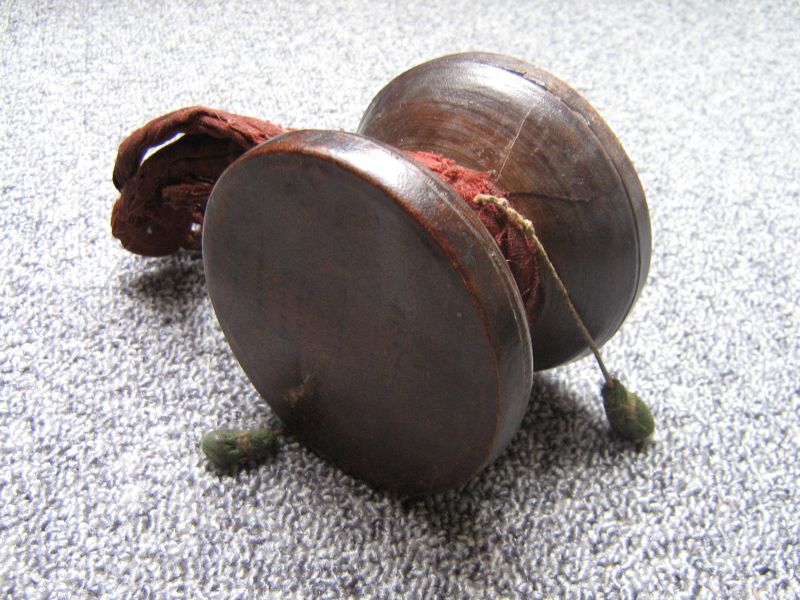
Q1. What is the characteristic shape of a damru?
A. Barrel-shaped
B. Hourglass-shaped
C. Cylindrical
D. Conical
Answer: B. Hourglass-shaped
Q2. The damru is most closely associated with which Hindu deity?
A. Vishnu
B. Brahma
C. Shiva
D. Ganesha
Answer: C. Shiva
Q3. In Hindu mythology, the sound of Shiva’s damru is believed to symbolize what?
A. The primordial sound of creation
B. The silence of meditation
C. The melody of rivers
D. The roar of lions
Answer: A. The primordial sound of creation
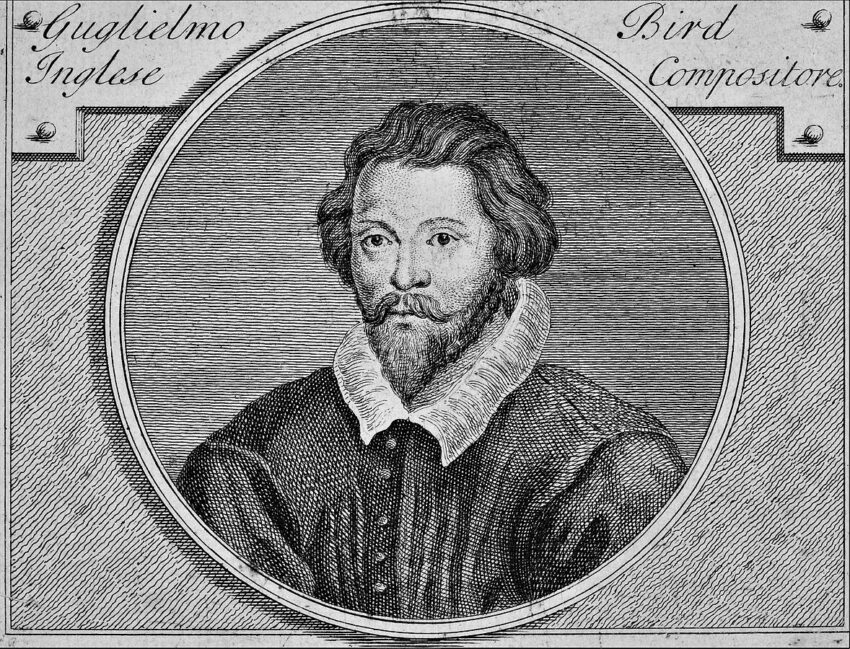
Q1. William Byrd is widely regarded as one of the greatest composers of which historical period?
A. Medieval
B. Renaissance
C. Baroque
D. Classical
Answer: B. Renaissance
Q2. In which year was William Byrd born?
A. 1540
B. 1545
C. 1563
D. 1572
Answer: A. 1540
Q3. Byrd spent much of his professional life associated with which institution?
A. St. Paul’s Cathedral
B. Westminster Abbey
C. Chapel Royal
D. Canterbury Cathedral
Answer: C. Chapel Royal
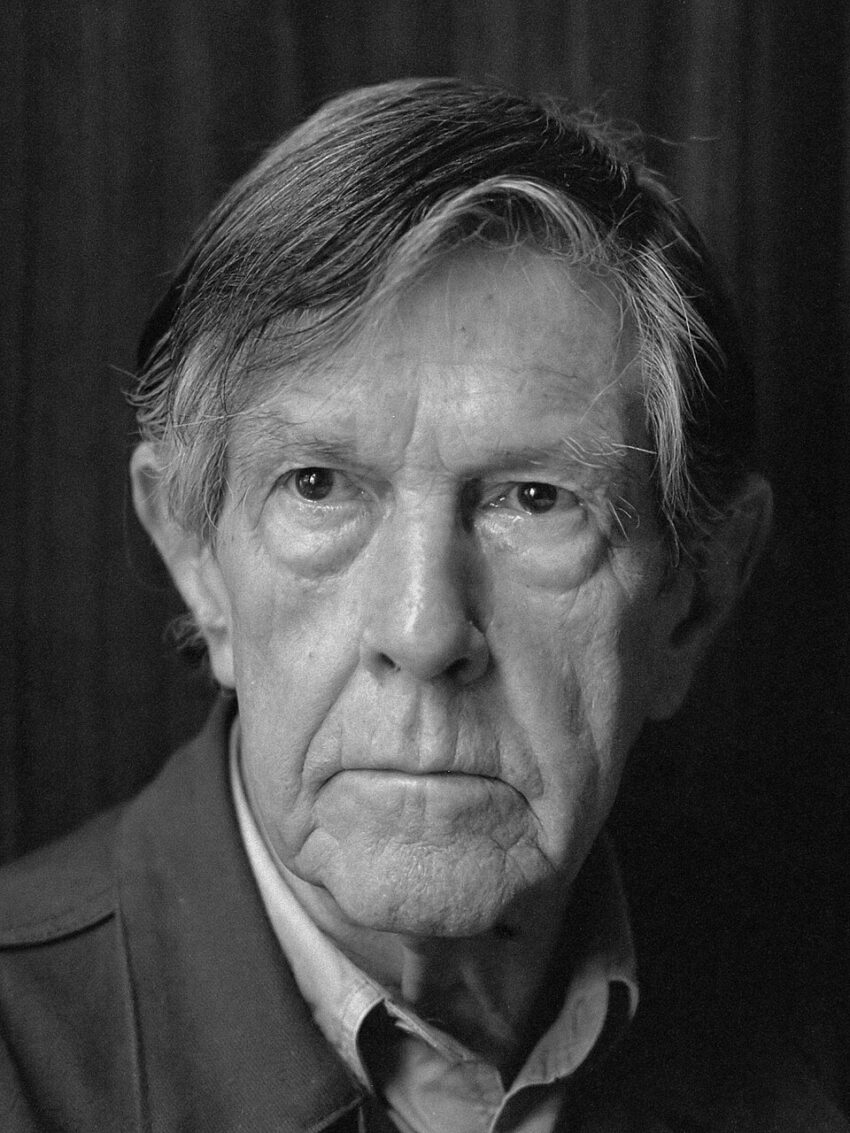
Q1. In which year was John Cage born?
A. 1902
B. 1912
C. 1922
D. 1932
Answer: B. 1912
Q2. What is John Cage best known for in the field of music?
A. Classical symphonies
B. Jazz improvisation
C. Experimental and avant-garde compositions
D. Pop music production
Answer: C. Experimental and avant-garde compositions
Q3. Which of John Cage’s works is famously known for its use of silence?
A. Sonatas and Interludes
B. 4’33”
C. Music of Changes
D. Imaginary Landscape No. 1
Answer: B. 4’33”
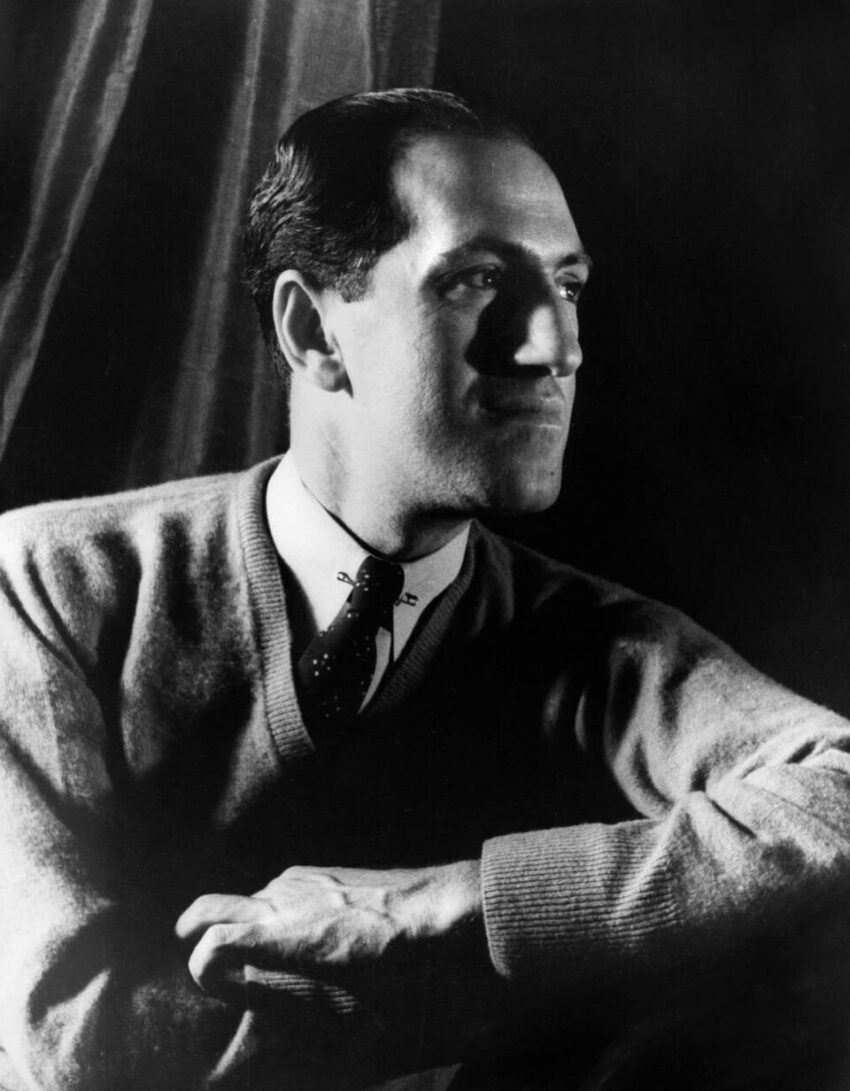
Q1. In what year was George Gershwin born?
A. 1896
B. 1898
C. 1900
D. 1902
Answer: B. 1898
Q2. What was George Gershwin’s birth name?
A. Jacob Gershwine
B. Morris Gershwin
C. Ira Gershwin
D. Arthur Gershwin
Answer: A. Jacob Gershwine
Q3. Where was George Gershwin born?
A. Manhattan, New York
B. Brooklyn, New York
C. Chicago, Illinois
D. Philadelphia, Pennsylvania
Answer: B. Brooklyn, New York
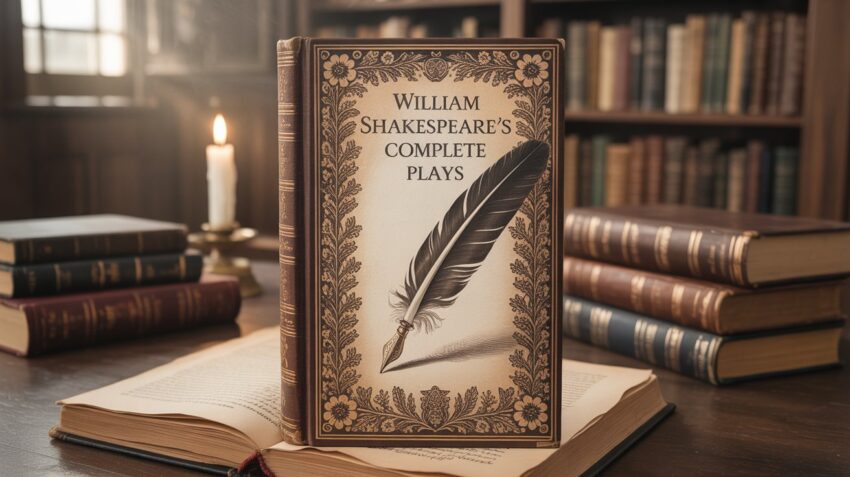
Here are William Shakespeare’s complete plays, grouped by the traditional genres. I’m using the conventional First Folio groupings (Comedies, Histories, Tragedies) and including the late “romances” often taught as a distinct subgroup.
Comedies
All’s Well That Ends Well
As You Like It
The Comedy of Errors
Love’s Labour’s Lost
Measure for Measure