

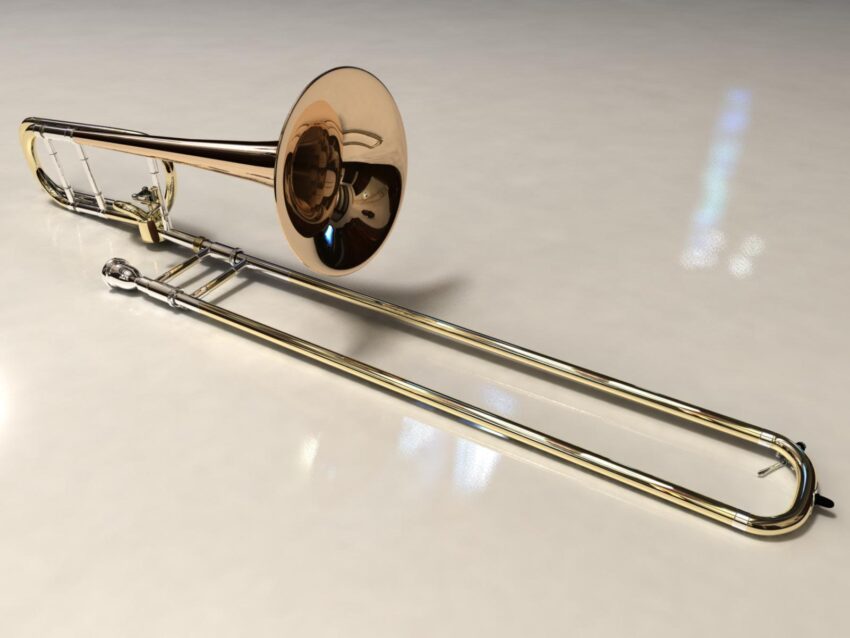
Q1. The trombone belongs to which family of musical instruments?
A. Woodwind
B. Brass
C. String
D. Percussion
Answer: B. Brass
Q2. What is the primary mechanism used on most trombones to change pitch?
A. Valves
B. Keys
C. Telescoping slide
D. Reed vibration
Answer: C. Telescoping slide
Q3. The word “trombone” originates from Italian, meaning what?
A. Long trumpet
B. Large trumpet
C. Sliding horn
D. Bass trumpet
Answer: B. Large trumpet
Q4. What was the predecessor of the modern trombone called in the Renaissance period?
A. Sackbut
B. Serpent
C. Ophicleide
D. Cornett
Answer: A. Sackbut
Q5. In which century did the trombone evolve from the sackbut into its modern form?
A. 15th
B. 16th
C. 17th
D. 18th
Answer: C. 17th
Q6. Which composer first prominently used trombones in a symphony, in his Symphony No. 5?
A. Mozart
B. Beethoven
C. Brahms
D. Mahler
Answer: B. Beethoven
Q7. The flared end of the trombone where sound emerges is called the:
A. Mouthpiece
B. Slide
C. Bell
D. Tuning slide
Answer: C. Bell
Q8. How is sound primarily produced on a trombone?
A. By striking the bell
B. By buzzing lips into the mouthpiece
C. By blowing across a reed
D. By pressing keys to open holes
Answer: B. By buzzing lips into the mouthpiece
Q9. What technique allows the trombone to produce a smooth, continuous slide between notes?
A. Vibrato
B. Staccato
C. Glissando
D. Legato
Answer: C. Glissando
Q10. The most common type of trombone used today is the:
A. Alto trombone
B. Tenor trombone
C. Contrabass trombone
D. Soprano trombone
Answer: B. Tenor trombone
Q11. Which type of trombone is pitched in Eb and typically has a brighter, lighter sound?
A. Bass
B. Tenor
C. Alto
D. Valve
Answer: C. Alto
Q12. Bass trombones often feature additional valves to access lower notes, commonly including an:
A. F attachment
B. Bb attachment
C. E attachment
D. C attachment
Answer: A. F attachment
Q13. Valve trombones change pitch using:
A. A slide only
B. Piston or rotary valves
C. Finger holes
D. A double bell
Answer: B. Piston or rotary valves
Q14. In a standard symphony orchestra, how many trombones are typically in the section?
A. One
B. Two
C. Three
D. Four
Answer: C. Three
Q15. The trombone is unique among brass instruments because it is fully chromatic from its earliest development due to:
A. Valves
B. The slide mechanism
C. A double reed
D. Variable bore size
Answer: B. The slide mechanism
Q16. Which famous jazz trombonist was known as the “Sentimental Gentleman of Swing”?
A. J.J. Johnson
B. Tommy Dorsey
C. Curtis Fuller
D. Jack Teagarden
Answer: B. Tommy Dorsey
Q17. Who is regarded as a pioneer of bebop trombone playing?
A. Kai Winding
B. Frank Rosolino
C. J.J. Johnson
D. Slide Hampton
Answer: C. J.J. Johnson
Q18. In jazz, the trombone often provides:
A. Harmonic support and glissandi effects
B. Only melodic solos
C. Percussive rhythms exclusively
D. High-register leads
Answer: A. Harmonic support and glissandi effects
Q19. Which classical trombonist is known for principal positions in major orchestras and innovative solo works?
A. Tommy Dorsey
B. Bill Watrous
C. Christian Lindberg
D. Carl Fontana
Answer: C. Christian Lindberg
Q20. The trombone section in an orchestra often reinforces:
A. The string bass line
B. The woodwind melodies
C. Percussion rhythms
D. The low brass and harmonic foundation
Answer: D. The low brass and harmonic foundation
Q21. What part of the trombone helps balance its weight and prevents it from being front-heavy?
A. Counterweight
B. Water key
C. Slide lock
D. Mouthpiece receiver
Answer: A. Counterweight
Q22. Trombone music is most commonly notated in which clef?
A. Treble clef
B. Alto clef
C. Bass clef
D. Soprano clef
Answer: C. Bass clef
Q23. Advanced trombone parts may require reading in tenor or alto clef, particularly for:
A. Bass trombone
B. Higher passages on tenor or alto trombone
C. Valve trombone
D. Pedal tones only
Answer: B. Higher passages on tenor or alto trombone
Q24. The bore size of a trombone affects its:
A. Length only
B. Tone quality and volume
C. Slide positions exclusively
D. Mouthpiece compatibility only
Answer: B. Tone quality and volume
Q25. Mutes are commonly used on trombones to:
A. Alter timbre and reduce volume
B. Increase volume
C. Change pitch
D. Extend the slide
Answer: A. Alter timbre and reduce volume