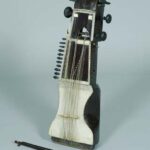



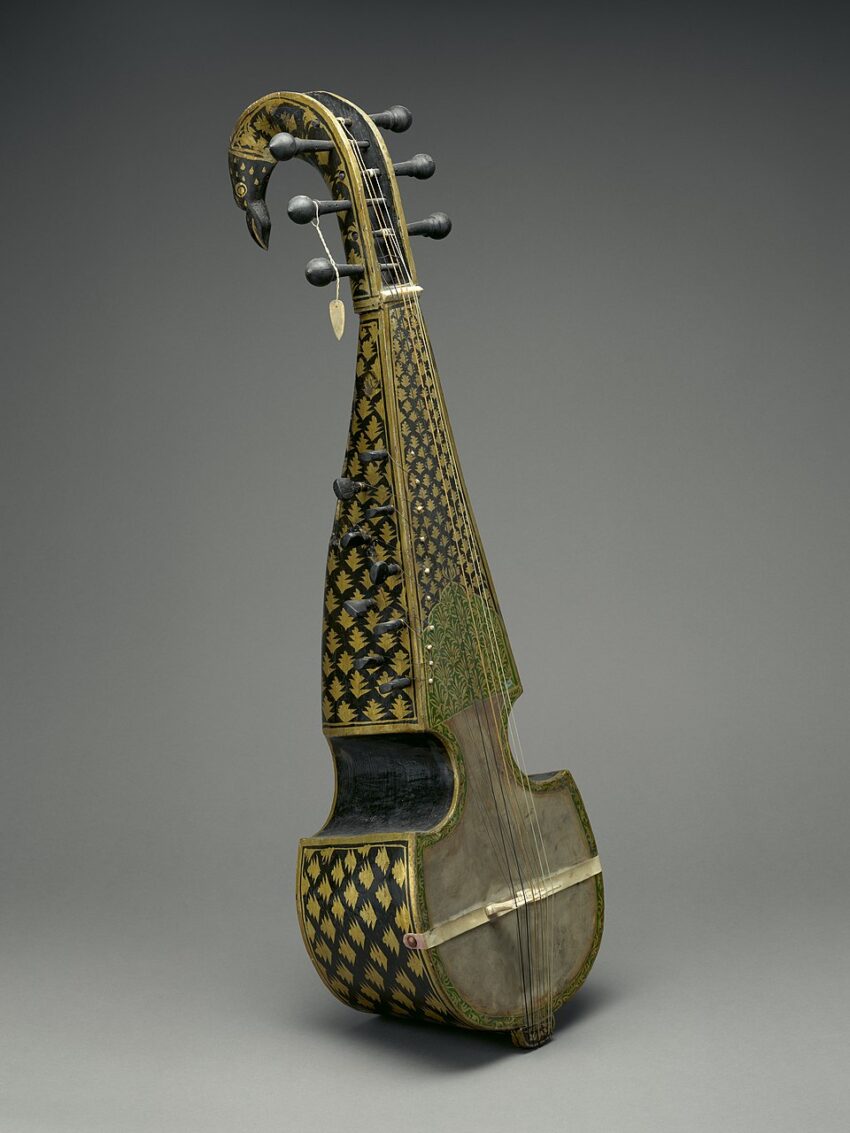
Q1. What is the primary musical tradition in which the sarod is prominently used?
A. Carnatic classical music
B. Hindustani classical music
C. Western orchestral music
D. Folk music of South India
Answer: B Hindustani classical music
Q2. The sarod is known for producing a sound that is described as:
A. Sweet and overtone-rich like the sitar
B. Bright and piercing like the violin
C. Deep, weighty, and introspective
D. Nasal and reedy like the shehnai
Answer: C. Deep, weighty, and introspective
Q3. The sarod is a fretless instrument, which allows for:
A. Rapid chord strumming
B. Continuous slides between notes (meend or glissandi)
C. Fixed fretted positions only
D. Bowed playing technique
Answer: B. Continuous slides between notes (meend or glissandi)
Q4. The precursor instrument from which the modern sarod evolved is the:
A. Afghan rubab (or rebab)
B. Persian oud
C. Indian veena
D. Sitar
Answer: A. Afghan rubab (or rebab)
Q5. Approximately when did the modern form of the sarod emerge?
A. 16th century
B. Early 19th century
C. 10th century
D. Late 20th century
Answer: B. Early 19th century
Q6. Which material typically covers the resonating chamber (belly) of the sarod?
A. Wood only
B. Metal sheet
C. Goatskin parchment
D. Synthetic membrane
Answer: C. Goatskin parchment
Q7. The fingerboard of the sarod is covered with:
A. Wooden frets
B. Ivory inlays
C. A polished metal (steel) plate
D. Plastic coating
Answer: C. A polished metal (steel) plate
Q8. How many main melodic (playing) strings does a conventional sarod typically have?
A. 6 to 7
B. 4 to 6
C. 10 to 12
D. 2 to 3
Answer: B. 4 to 6
Q9. The plectrum used to pluck the sarod strings is called:
A. Mizrab
B. Bow
C. Java (or jawa)
D. Pick
Answer: C. Java (or jawa)
Q10. What material is the java (plectrum) commonly made from?
A. Metal wire
B. Coconut shell, ebony, or horn
C. Bamboo
D. Feather
Answer: B. Coconut shell, ebony, or horn
Q11. Sympathetic strings on the sarod are known as:
A. Chikari
B. Drone only
C. Jod
D. Tarab (or tarafdar)
Answer: D. Tarab (or tarafdar)
Q12. Total number of strings on a typical sarod ranges from:
A. 10 to 15
B. 17 to 25
C. 30 to 40
D. 5 to 10
Answer: B. 17 to 25
Q13. Which famous musician is credited with significant 20th-century modifications to the sarod, increasing strings and improving design?
A. Amjad Ali Khan
B. Ravi Shankar
C. Allauddin Khan
D. Vilayat Khan
Answer: C. Allauddin Khan
Q14. The Bangash lineage, associated with the sarod’s development, is linked to which renowned player?
A. Ali Akbar Khan
B. Amjad Ali Khan
C. Buddhadev Das Gupta
D. Radhika Mohan Maitra
Answer: B. Amjad Ali Khan
Q15. Which gharana is known for a virtuosic and rhythmic style in sarod playing?
A. Maihar gharana
B. Senia gharana
C. Lucknow gharana
D. Shahjahanpur gharana
Answer: D. Shahjahanpur gharana
Q16. The Maihar gharana of sarod is primarily associated with:
A. Allauddin Khan and Ali Akbar Khan
B. Amjad Ali Khan
C. Hafiz Ali Khan
D. Sharan Rani
Answer: A. Allauddin Khan and Ali Akbar Khan
Q17. Compared to the sitar, the sarod has:
A. More prominent sympathetic string resonance
B. Fewer sympathetic strings and a deeper tone
C. Frets for fixed notes
D. A bowed playing style
Answer: B. Fewer sympathetic strings and a deeper tone
Q18. The sarod is held and played:
A. Vertically like a cello
B. Upright like a guitar
C. Across the lap, horizontally
D. With a bow
Answer: C. Across the lap, horizontally
Q19. Which wood is commonly used for the body of a high-quality sarod?
A. Teak or tun wood
B. Rosewood
C. Pine
D. Bamboo
Answer: A. Teak or tun wood
Q20. Drone and rhythm strings on the sarod are called:
A. Tarab
B. Chikari
C. Jod
D. Main melodic
Answer: B. Chikari
Q21. A famous sarod player known for popularizing the instrument internationally in the 20th century is:
A. Zakir Hussain
B. Hariprasad Chaurasia
C. Bismillah Khan
D. Ali Akbar Khan
Answer: D. Ali Akbar Khan
Q22. Amjad Ali Khan belongs to which generation in his family’s sarod tradition?
A. Third
B. Sixth
C. Eighth
D. Tenth
Answer: B. Sixth
Q23. The word “sarod” originates from Persian, meaning:
A. String
B. Pluck
C. Melody or song
D. Resonance
Answer: C. Melody or song
Q24. Which technique is prominently facilitated by the sarod’s fretless design?
A. Rapid tapping
B. Meend (glissando or sliding between notes)
C. Harmonics only
D. Strumming chords
Answer: B. Meend (glissando or sliding between notes)
Q25. In sarod playing, notes are stopped using:
A. Fingertips only
B. Right hand plucking
C. A capo
D. Fingernails of the left hand
Answer: D. Fingernails of the left hand