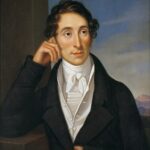




Q1. In what year was Robert Schumann born?
A. 1805
B. 1810
C. 1815
D. 1820
Answer: B. 1810
Q2. Where was Robert Schumann born?
A. Zwickau, Kingdom of Saxony
B. Leipzig, Germany
C. Dresden, Germany
D. Heidelberg, Germany
Answer: A. Zwickau, Kingdom of Saxony
Q3. What was the profession of Robert Schumann’s father, August Schumann?
A. Composer
B. Bookseller and publisher
C. Lawyer
D. Pianist
Answer: B. Bookseller and publisher
Q4. At what age did Robert Schumann begin studying piano?
A. 4
B. 5
C. 6
D. 10
Answer: C. 6
Q5. With whom did Robert Schumann study piano in his early years?
A. Friedrich Wieck
B. Johann Gottfried Kuntsch
C. Felix Mendelssohn
D. Clara Wieck
Answer: B. Johann Gottfried Kuntsch
Q6. Which university did Robert Schumann initially attend to study law in 1828?
A. University of Leipzig
B. University of Heidelberg
C. University of Berlin
D. University of Munich
Answer: A. University of Leipzig
Q7. What event in 1828 deeply affected Robert Schumann and influenced his musical development?
A. His father’s death
B. The death of Franz Schubert
C. Meeting Clara Wieck
D. His first public performance
Answer: B. The death of Franz Schubert
Q8. In what year did Robert Schumann move to Heidelberg to continue his law studies?
A. 1827
B. 1828
C. 1829
D. 1831
Answer: C. 1829
Q9. Who was Robert Schumann’s primary piano teacher after abandoning law studies?
A. Johann Nepomuk Hummel
B. Friedrich Wieck
C. Carl Czerny
D. Ignaz Moscheles
Answer: B. Friedrich Wieck
Q10. What injury prevented Robert Schumann from pursuing a career as a concert pianist around 1832?
A. Paralysis of his right hand
B. A broken finger
C. A wrist fracture
D. Hearing loss
Answer: A. Paralysis of his right hand
Q11. In what year did Robert Schumann co-found the influential music journal Neue Zeitschrift für Musik?
A. 1830
B. 1834
C. 1838
D. 1840
Answer: B. 1834
Q12. Which two fictional alter egos did Robert Schumann use in his music criticism to represent contrasting aspects of his personality?
A. Florestan and Eusebius
B. Davidsbündler and Kreisler
C. Papillon and Carnaval
D. Manfred and Genoveva
Answer: A. Florestan and Eusebius
Q13. To whom did Robert Schumann marry on September 12, 1840, after a prolonged legal battle?
A. Fanny Mendelssohn
B. Jenny Lind
C. Clara Wieck
D. Pauline Viardot
Answer: C. Clara Wieck
Q14. In what year, known as Schumann’s “year of song,” did he compose over 100 lieder, including Dichterliebe?
A. 1838
B. 1840
C. 1842
D. 1845
Answer: B. 1840
Q15. What is the subtitle of Robert Schumann’s Symphony No. 1, composed in 1841?
A. Spring
B. Rhenish
C. Pastoral
D. Scottish
Answer: A. Spring
Q16. Which beloved piano cycle, Opus 15, includes the famous piece “Träumerei” and was composed in 1838?
A. Carnaval
B. Kinderszenen
C. Kreisleriana
D. Davidsbundlertanze
Answer: B. Kinderszenen
Q17. On whose poetry is Schumann’s song cycle Dichterliebe, Opus 48, primarily based?
A. Johann Wolfgang von Goethe
B. Joseph von Eichendorff
C. Heinrich Heine
D. Friedrich Rückert
Answer: C. Heinrich Heine
Q18. In what key is Robert Schumann’s Piano Concerto, completed in 1845?
A. C minor
B. A minor
C. E major
D. D major
Answer: B. A minor
Q19. To which city did Robert Schumann and Clara move in 1850, where he took up the position of music director?
A. Dresden
B. Leipzig
C. Dusseldorf
D. Vienna
Answer: C. Dusseldorf
Q20. In what year did Robert Schumann meet the young composer Johannes Brahms, whom he later championed in his writings?
A. 1850
B. 1853
C. 1855
D. 1856
Answer: B. 1853
Q21. What tragic event occurred on February 27, 1854, leading to Robert Schumann’s institutionalization?
A. A severe stroke
B. An attempted suicide by drowning in the Rhine
C. A public scandal
D. The death of a child
Answer: B. An attempted suicide by drowning in the Rhine
Q22. In what year did Robert Schumann die, after two years in a mental asylum in Endenich?
A. 1854
B. 1855
C. 1856
D. 1857
Answer: C. 1856
Q23. How many children did Robert Schumann and Clara Wieck have together?
A. 5
B. 7
C. 8
D. 10
Answer: C. 8
Q24. Which literary figure profoundly influenced Schumann’s romantic style and use of imaginative titles in his music?
A. William Shakespeare
B. Jean Paul (Johann Paul Friedrich Richter)
C. Lord Byron
D. E.T.A. Hoffmann
Answer: B. Jean Paul (Johann Paul Friedrich Richter)
Q25. What was the title of Robert Schumann’s only opera, premiered in 1850?
A. Manfred
B. Genoveva
C. Faust
D. Paradise and the Peri
Answer: B. Genoveva