
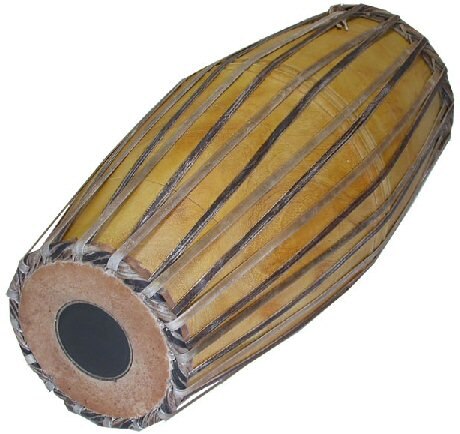
Q1. What is the primary role of the mridangam in Carnatic music?
A. Providing melody
B. Rhythmic accompaniment
C. Drone support
D. Harmonic filling
Answer: B. Rhythmic accompaniment
Q2. The body of a traditional mridangam is typically hollowed out from which wood?
A. Jackfruit
B. Teak
C. Rosewood
D. Sandalwood
Answer: A. Jackfruit
Q3. Which side of the mridangam produces the bass sound?
A. Valanthalai (right head)
B. Thoppi (left head)
C. Both equally
D. The center patch
Answer: B. Thoppi (left head)
Q4. What is the black tuning paste permanently applied to the right head called?
A. Sruti
B. Rava
C. Soru
D. Gap
Answer: C. Soru
Q5. The mridangam is most closely associated with which Indian classical music tradition?
A. Hindustani
B. Dhrupad
C. Carnatic
D. Ghazal
Answer: C. Carnatic
Q6. Which deity is often depicted playing or associated with the mridangam in mythology?
A. Vishnu
B. Brahma
C. Krishna
D. Ganesha
Answer: D. Ganesha
Q7. What is the percussion solo section in a Carnatic concert called?
A. Ragam Tanam Pallavi
B. Tani Avartanam
C. Kalpanaswaram
D. Niraval
Answer: B. Tani Avartanam
Q8. Which instrument is a close North Indian counterpart to the mridangam?
A. Tabla
B. Dholak
C. Pakhawaj
D. Damaru
Answer: C. Pakhawaj
Q9. Palghat Mani Iyer is part of which revered group in mridangam history?
A. Trinity of Composers
B. Percussion Pioneers
C. Golden Quartet
D. Holy Trinity of Mridangam
Answer: D. Holy Trinity of Mridangam
Q10. The name “mridangam” derives from Sanskrit words meaning what?
A. Clay body
B. Wood drum
C. Twin heads
D. Rhythmic king
Answer: A. Clay body
Q11. Which common accompaniment often joins the mridangam in Carnatic ensembles?
A. Sitar
B. Kanjira
C. Sarod
D. Santoor
Answer: B. Kanjira
Q12. How is the pitch of the mridangam typically tuned during performance?
A. With pegs
B. By changing heads
C. Electronically
D. By adjusting leather straps and wedges
Answer: D. By adjusting leather straps and wedges
Q13. The Thanjavur style of mridangam playing is associated with which school?
A. Pudukkottai
B. Palghat
C. Thanjavur
D. Kerala
Answer: C. Thanjavur
Q14. What temporary paste is applied to the left head before playing?
A. Black soru
B. Semolina or flour paste
C. Iron filings
D. Wax
Answer: B. Semolina or flour paste
Q15. Which famous mridangist revolutionized accompaniment by closely following melodic phrases?
A. Palghat Mani Iyer
B. Palani Subramania Pillai
C. Umayalpuram K. Sivaraman
D. Karaikudi Mani
Answer: A. Palghat Mani Iyer
Q16. The Pudukkottai school of mridangam is known for what characteristic?
A. Melodic focus
B. Fusion elements
C. Soft volume
D. Complex mathematical calculations
Answer: D. Complex mathematical calculations
Q17. What is a korvai in mridangam playing?
A. A simple beat
B. A solo introduction
C. A complex rhythmic pattern ending in unison
D. A tuning method
Answer: C. A complex rhythmic pattern ending in unison
Q18. Which instrument is believed by legend to have been created by splitting a mridangam?
A. Pakhawaj
B. Tabla
C. Ghatam
D. Morsing
Answer: B. Tabla
Q19. The right head (valanthalai) of the mridangam is tuned to match what?
A. Bass note
B. Drone only
C. Octave lower
D. The performer’s sruti
Answer: D. The performer’s sruti
Q20. Who among these is a disciple of Palghat Mani Iyer?
A. Palani Subramania Pillai
B. Umayalpuram K. Sivaraman
C. Ramanathapuram C.S. Murugabhoopathy
D. Dakshinamurthy Pillai
Answer: B. Umayalpuram K. Sivaraman
Q21. Which part of the hand is primarily used for open bass strokes on the left head?
A. Full palm
B. Fingertips
C. Heel of hand
D. Wrist
Answer: A. Full palm
Q22. The mridangam is also used in which classical dance form’s accompaniment?
A. Kathak
B. Manipuri
C. Odissi
D. Bharatanatyam
Answer: D. Bharatanatyam
Q23. What is the approximate length of a standard concert mridangam?
A. 40 cm
B. 60 cm
C. 80 cm
D. 100 cm
Answer: B. 60 cm
Q24. Which 20th-century era is considered the golden age for mridangam innovation?
A. Early 20th century
B. Early 19th century
C. Late 20th century
D. 21st century
Answer: A. Early 20th century
Q25. The basic stroke “tha” on mridangam is produced how?
A. Open bass
B. Closed treble with fingers
C. Full chapu
D. Rim strike
Answer: B. Closed treble with fingers