

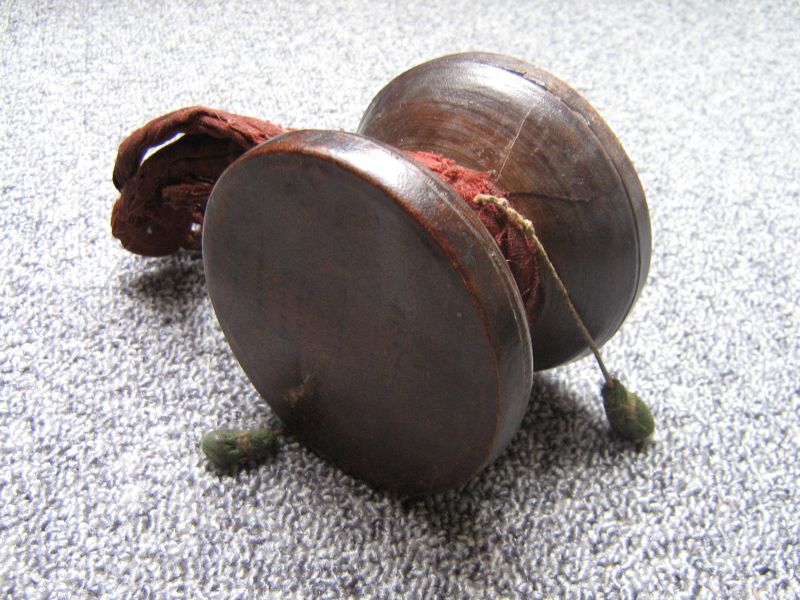
Q1. What is the characteristic shape of a damru?
A. Barrel-shaped
B. Hourglass-shaped
C. Cylindrical
D. Conical
Answer: B. Hourglass-shaped
Q2. The damru is most closely associated with which Hindu deity?
A. Vishnu
B. Brahma
C. Shiva
D. Ganesha
Answer: C. Shiva
Q3. In Hindu mythology, the sound of Shiva’s damru is believed to symbolize what?
A. The primordial sound of creation
B. The silence of meditation
C. The melody of rivers
D. The roar of lions
Answer: A. The primordial sound of creation
Q4. How is a traditional damru typically played?
A. By striking with sticks
B. By twisting the wrist to make attached beads or knots strike the heads
C. By blowing into it
D. By plucking strings
Answer: B. By twisting the wrist to make attached beads or knots strike the heads
Q5. What material is commonly used for the body of a traditional Hindu damru?
A. Clay
B. Metal only
C. Wood
D. Bamboo
Answer: C. Wood
Q6. The damru is also used in which other religious tradition besides Hinduism?
A. Christianity
B. Sikhism
C. Tibetan Buddhism
D. Jainism
Answer: C. Tibetan Buddhism
Q7. According to legend, the beats of Shiva’s damru during his cosmic dance are said to have originated what?
A. The Vedas
B. The Sanskrit language or its grammar
C. Classical dance forms
D. The flute music
Answer: B. The Sanskrit language or its grammar
Q8. What does the hourglass shape of the damru symbolically represent?
A. The flow of time and cycles of creation and destruction
B. The mountains of the Himalayas
C. The waves of the ocean
D. The branches of a tree
Answer: A. The flow of time and cycles of creation and destruction
Q9. In iconography, Shiva holds the damru in which hand during his Nataraja form?
A. Lower left
B. Upper right
C. Lower right
D. Upper left
Answer: B. Upper right
Q10. The two heads of the damru are typically covered with what material?
A. Cloth
B. Metal sheets
C. Paper
D. Animal skin (such as goat or buffalo hide)
Answer: D. Animal skin (such as goat or buffalo hide)
Q11. Which cosmic dance of Shiva is accompanied by the sound of the damru?
A. Lasya
B. Tandava
C. Bharatanatyam
D. Kathak
Answer: B. Tandava
Q12. The damru is classified as which type of musical instrument?
A. String instrument (chordophone)
B. Wind instrument (aerophone)
C. Percussion instrument (membranophone)
D. Electronic instrument
Answer: C. Percussion instrument (membranophone)
Q13. What is the symbolic meaning of the beads or knots attached to the damru?
A. They represent stars
B. They strike the drumheads to produce rhythmic sound
C. They are purely decorative
D. They hold tuning pegs
Answer: B. They strike the drumheads to produce rhythmic sound
Q14. In Hindu cosmology, the damru’s sound is linked to which sacred syllable?
A. Hum
B. Yam
C. Ram
D. Om (Aum)
Answer: D. Om (Aum)
Q15. Unlike the tabla, the damru is usually played with how many hands?
A. Two hands striking directly
B. One hand, by rotation
C. Both hands with sticks
D. No hands, foot-operated
Answer: B. One hand, by rotation
Q16. The damru is often carried and played by whom in Hindu traditions?
A. Temple priests only
B. Classical dancers exclusively
C. Shaiva ascetics and Naga Sadhus
D. Court musicians
Answer: C. Shaiva ascetics and Naga Sadhus
Q17. What does squeezing the lacing of a damru do while playing?
A. Increases volume
B. Adds melody
C. Stops the sound
D. Changes the pitch
Answer: D. Changes the pitch
Q18. In which type of music or performance is the damru more commonly used today?
A. Hindustani classical concerts
B. Religious rituals, devotional songs, and folk traditions
C. Carnatic music accompaniment
D. Western fusion only
Answer: B. Religious rituals, devotional songs, and folk traditions
Q19. The damru represents the union of which two cosmic principles?
A. Purusha (consciousness) and Prakriti (nature/energy)
B. Fire and water
C. Sun and moon
D. Earth and sky
Answer: A. Purusha (consciousness) and Prakriti (nature/energy)
Q20. Compared to the dholak, the damru is generally what in size?
A. Much larger
B. Much smaller and more portable
C. The same size
D. Wider but shorter
Answer: B. Much smaller and more portable
Q21. In depictions, the damru is an attribute of Shiva as which form?
A. Nataraja (Lord of Dance)
B. Ardhanarishvara
C. Dakshinamurti
D. Lingodbhava
Answer: A. Nataraja (Lord of Dance)
Q22. The rhythmic sound of the damru is said to mimic what natural phenomenon?
A. Thunder
B. Rain falling
C. Wind blowing
D. The heartbeat
Answer: D. The heartbeat
Q23. Which ancient text associates the damru with the origin of Sanskrit sounds?
A. Ramayana
B. Shiva Sutras or Maheshwara Sutras
C. Bhagavad Gita
D. Upanishads
Answer: B. Shiva Sutras or Maheshwara Sutras
Q24. In Tibetan Buddhist rituals, the damru is often paired with which other instrument?
A. A bell (ghanta) held in the left hand
B. Tabla
C. Sitar
D. Flute
Answer: A. A bell (ghanta) held in the left hand
Q25. The damru’s waist or narrow middle allows for what during play?
A. String attachment only
B. Amplification of bass
C. Better grip and rapid twisting motion
D. Decoration placement
Answer: C. Better grip and rapid twisting motion