

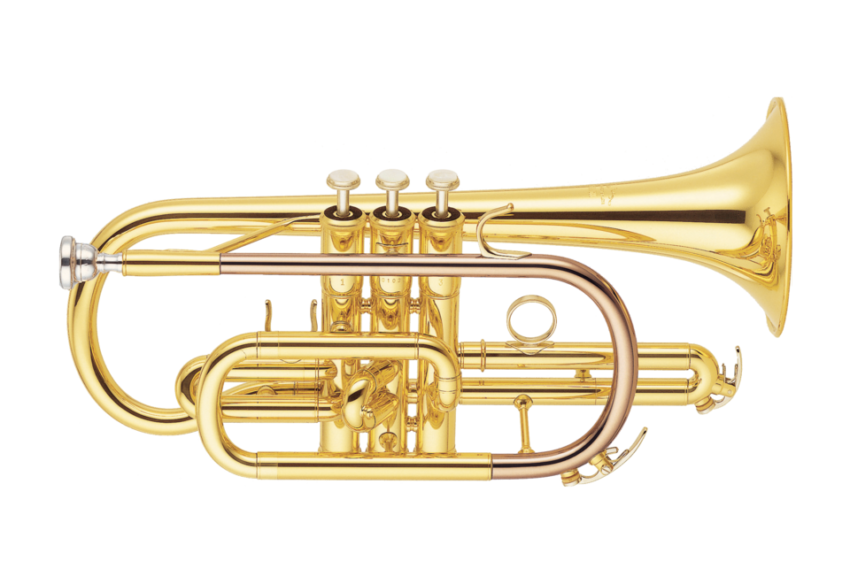
Q1. What is the primary distinguishing feature of the cornet’s bore compared to the trumpet?
A. Cylindrical throughout
B. Conical, gradually widening
C. Completely straight
D. Narrower at the bell
Answer: B. Conical, gradually widening
Q2. The modern valved cornet was developed in which decade?
A. 1600s
B. 1750s
C. 1820s
D. 1900s
Answer: C. 1820s
Q3. Which instrument is the cornet historically derived from?
A. Post horn
B. Natural trumpet
C. French horn
D. Flugelhorn
Answer: A. Post horn
Q4. The most common pitch for a standard cornet is:
A. C
B. Eb
C. Bb
D. F
Answer: C. Bb
Q5. What type of tone does the cornet typically produce compared to the trumpet?
A. Brighter and more piercing
B. Mellow and warmer
C. Louder and harsher
D. Deeper and darker like a horn
Answer: B. Mellow and warmer
Q6. Which famous jazz musician began his career on the cornet before switching to the trumpet?
A. Miles Davis
B. Dizzy Gillespie
C. Louis Armstrong
D. Wynton Marsalis
Answer: C. Louis Armstrong
Q7. The cornet’s mouthpiece is generally:
A. Deeper and more funnel-shaped
B. Shallower than a trumpet’s
C. Identical to a trombone’s
D. Smaller in diameter than a flugelhorn’s
Answer: A. Deeper and more funnel-shaped
Q8. Who published the influential “Arban Method” for cornet in 1864?
A. Herbert L. Clarke
B. King Oliver
C. Jean-Baptiste Arban
D. Hector Berlioz
Answer: C. Jean-Baptiste Arban
Q9. In 19th-century orchestral music, cornets were often used for:
A. Fanfare-like passages
B. Bass harmonies
C. Only percussion accompaniment
D. Melodic and agile lines
Answer: D. Melodic and agile lines
Q10. What is the soprano cornet typically pitched in?
A. Bb
B. C
C. Eb
D. A
Answer: C. Eb
Q11. Which composer frequently wrote separate parts for cornet and trumpet in his works?
A. Johann Sebastian Bach
B. Hector Berlioz
C. John Philip Sousa
D. Igor Stravinsky
Answer: B. Hector Berlioz
Q12. The cornet’s more compact shape compared to the trumpet is primarily due to:
A. Additional wraps in the tubing
B. Longer tubing
C. Wider bell flare
D. Rotary valves only
Answer: A. Additional wraps in the tubing
Q13. In early jazz, the cornet was favored over the trumpet for its:
A. Brighter projection in recordings
B. Warmer, more expressive tone
C. Easier high notes
D. Louder volume
Answer: B. Warmer, more expressive tone
Q14. Which valve system is most common on modern cornets?
A. Perinet (piston) valves
B. Rotary valves
C. Vienna valves
D. Double-piston valves
Answer: A. Perinet (piston) valves
Q15. The cornet gained prominence in which type of 19th-century ensembles before jazz?
A. String quartets
B. Woodwind quintets
C. Military and brass bands
D. Opera orchestras exclusively
Answer: C. Military and brass bands
Q16. Famous cornet virtuoso Herbert L. Clarke was associated with which band leader?
A. Duke Ellington
B. John Philip Sousa
C. Glenn Miller
D. Count Basie
Answer: B. John Philip Sousa
Q17. Why did many jazz players switch from cornet to trumpet in the 1920s?
A. Cornet was too quiet for recordings
B. Cornets became unavailable
C. Trumpet’s brighter sound suited evolving styles
D. Trumpets had more valves
Answer: C. Trumpet’s brighter sound suited evolving styles
Q18. The cornet’s bell is typically:
A. Directed backward like a horn
B. Forward-facing with a gradual flare
C. Smaller than a euphonium’s
D. Detachable for tuning
Answer: B. Forward-facing with a gradual flare
Q19. In brass bands, how many B? cornets are commonly included?
A. None, only Eb
B. 1-2
C. 8
D. 9
Answer: D. 9
Q20. Which early jazz cornetist mentored Louis Armstrong?
A. Bix Beiderbecke
B. King Oliver
C. Nat Adderley
D. Rex Stewart
Answer: B. King Oliver
Q21. The cornet is more agile for fast passages due to its:
A. Cylindrical bore
B. Heavier weight
C. Conical bore and deeper mouthpiece
D. Shorter length only
Answer: C. Conical bore and deeper mouthpiece
Q22. A “Shepherd’s Crook” cornet refers to a specific:
A. Bell shape variation
B. Mouthpiece design
C. Valve type
D. Tuning slide
Answer: A. Bell shape variation
Q23. In Tchaikovsky’s works, the cornet is featured for its ability in:
A. Low pedal tones
B. Muted effects only
C. Harmonic fanfares
D. Rapid tonguing and solos
Answer: D. Rapid tonguing and solos
Q24. The cornet co-existed with the trumpet in orchestras until approximately:
A. Mid-18th century
B. Early 20th century
C. Late 20th century
D. 21st century
Answer: B. Early 20th century
Q25. Which material is most commonly used for modern cornets?
A. Silver only
B. Yellow brass
C. Wood
D. Plastic exclusively
Answer: B. Yellow brass