


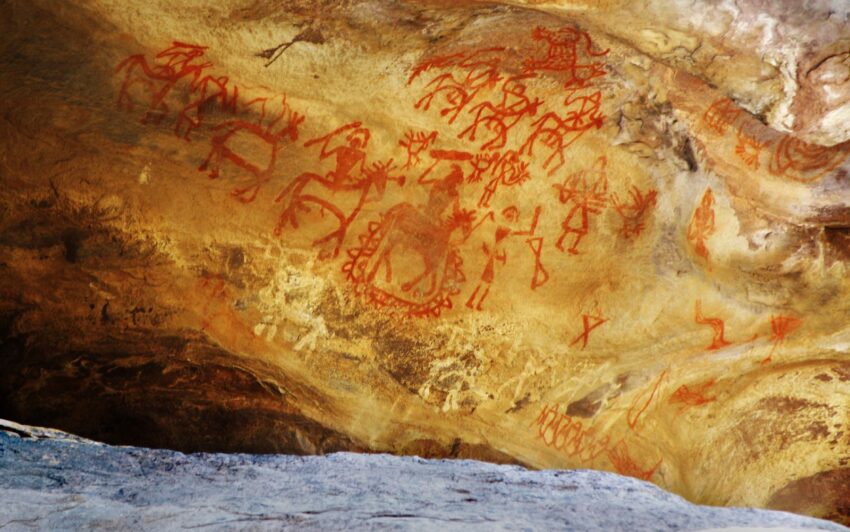
Explore 25 expertly crafted multiple-choice questions (MCQs) on the Bhimbetka rock shelters, a UNESCO World Heritage Site. Test your knowledge of Paleolithic and Mesolithic art, archaeology, and history with accurate, engaging questions designed for students and enthusiasts.
Q1. Which prehistoric site is renowned for its extensive rock shelter paintings dating back to the Paleolithic era?
A. Attirampakkam
B. Belan Valley
C. Bhimbetka
D. Lothal
Answer: C. Bhimbetka
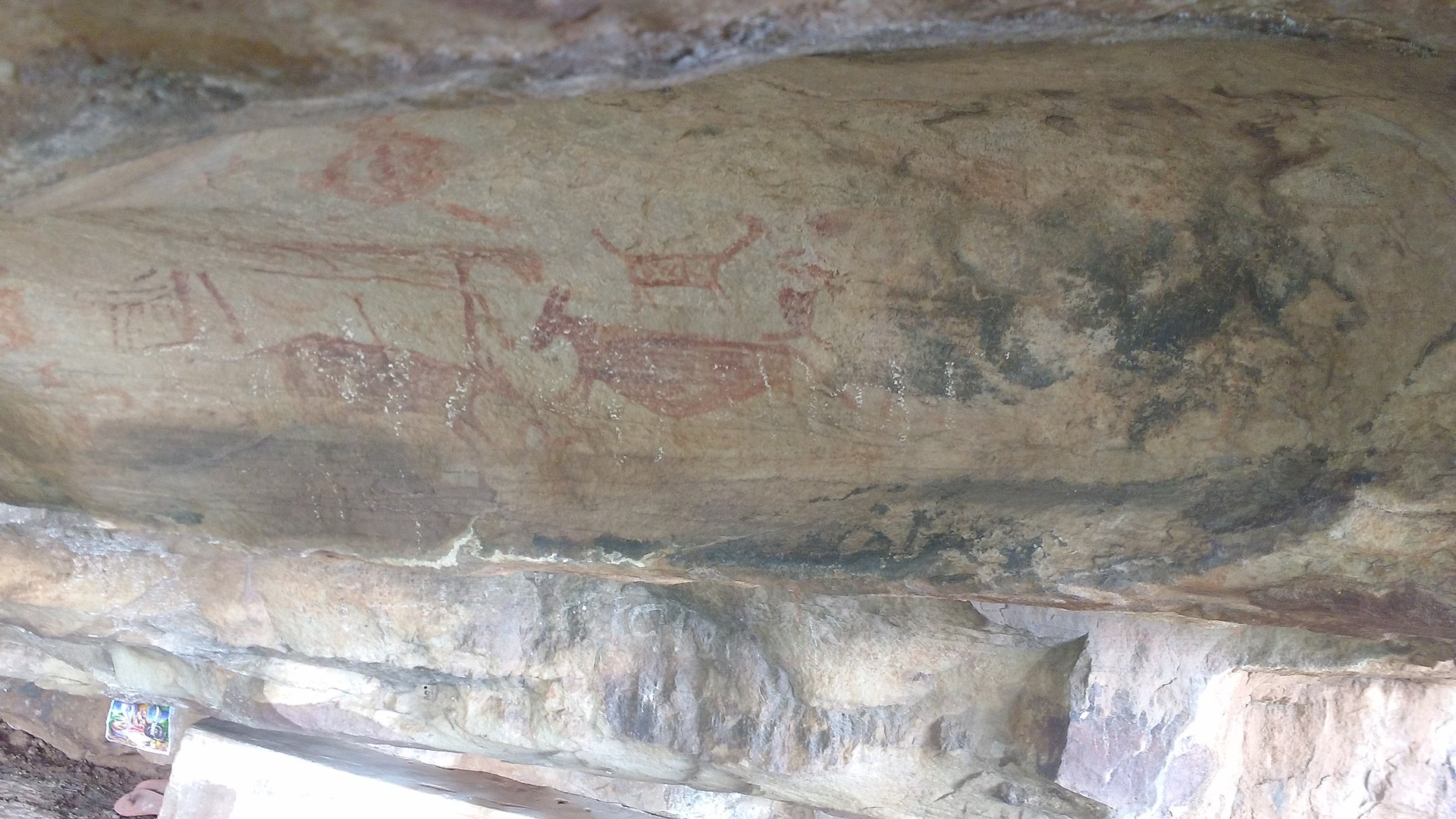
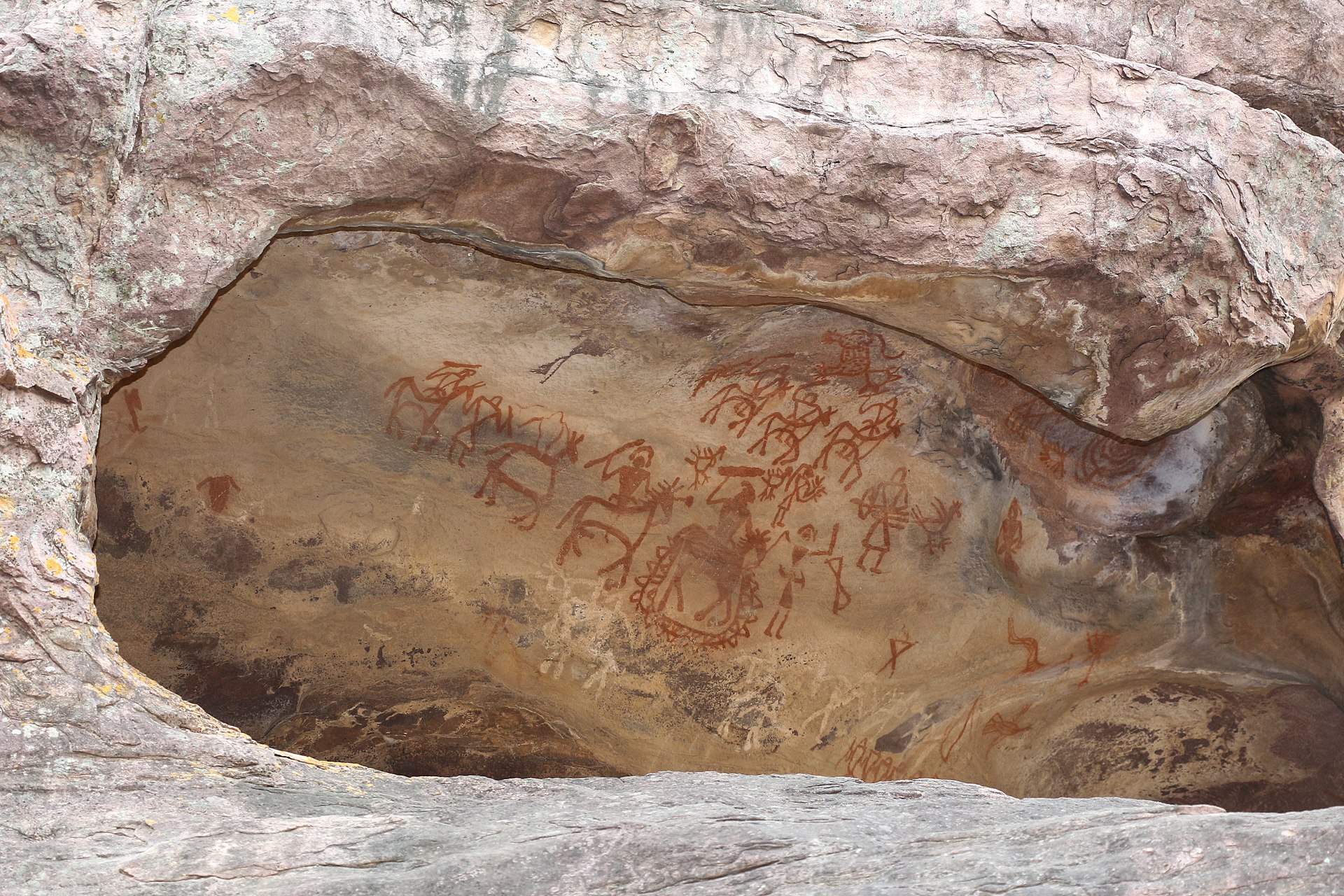
Q2. The rock paintings in Bhimbetka primarily depict which themes?
A. Urban scenes and ships
B. Animals, hunting scenes, and daily life
C. Religious symbols exclusively
D. Abstract geometric designs
Answer: B. Animals, hunting scenes, and daily life
Q3. Bhimbetka was designated a UNESCO World Heritage Site primarily because of
A. Its ancient Buddhist monastic remains
B. Its Paleolithic rock art and natural caves
C. Its early Iron Age fortifications
D. Its bronze artifacts
Answer: B. Its Paleolithic rock art and natural caves
Q4. The caves of Bhimbetka are predominantly located in which Indian state?
A. Madhya Pradesh
B. Tamil Nadu
C. Maharashtra
D. Rajasthan
Answer: A. Madhya Pradesh
Q5. Which period of Indian prehistory is most represented by the paintings at Bhimbetka?
A. Chalcolithic
B. Paleolithic and Mesolithic
C. Iron Age
D. Bronze Age
Answer: B. Paleolithic and Mesolithic
Q6. The site of Bhimbetka provides evidence of early human life spanning approximately
A. 10,000 to 5,000 years ago
B. 30,000 to 10,000 years ago
C. 100,000 years ago to Mesolithic
D. 5,000 to 2,000 years ago
Answer: C. 100,000 years ago to Mesolithic
Note: Updated for accuracy, as archaeological evidence (tools) dates back to the Lower Paleolithic (~100,000 years), while paintings are primarily Upper Paleolithic to Mesolithic.
Q7. The paintings at Bhimbetka depict scenes primarily related to
A. Religious rituals
B. Hunting, dancing, and animals
C. Agriculture and plowing
D. Naval battles
Answer: B. Hunting, dancing, and animals
Q8. Bhimbetka’s caves are notable for their size and number. Approximately how many caves are there?
A. About 10
B. Around 400
C. 50
D. Around 200
Answer: B. Around 400
Note: Corrected from “Over 750” to reflect documented estimates of ~400–500 shelters.
Q9. The artwork in Bhimbetka is significant because it shows
A. The transition from Paleolithic to Neolithic life
B. Early forms of writing
C. Railway construction scenes
D. Mughal architecture influences
Answer: A. The transition from Paleolithic to Neolithic life
Q10. Bhimbetka’s rock shelters are important because they
A. Contain the earliest evidence of agriculture in India
B. Serve as natural archives of Indian prehistoric art and life
C. Are the earliest known Buddhist monasteries
D. Were built as early forts
Answer: B. Serve as natural archives of Indian prehistoric art and life
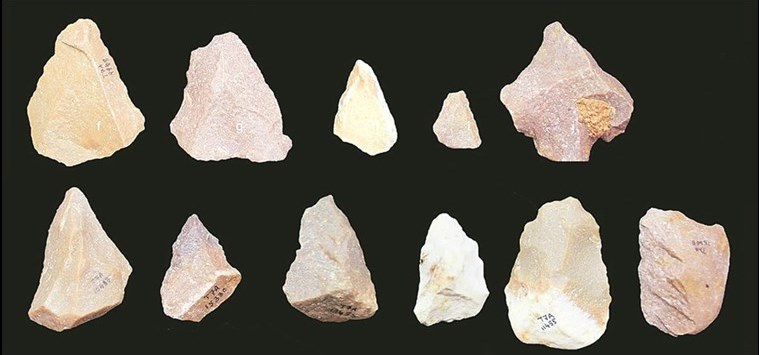
Q11. What type of tools found at Bhimbetka indicate Lower Paleolithic human activity?
A. Polished stone axes
B. Acheulian handaxes
C. Copper tools
D. Iron blades
Answer: B. Acheulian handaxes
Q12. Bhimbetka’s rock art is primarily found in which geological formation?
A. Basaltic caves
B. Limestone caverns
C. Sandstone shelters
D. Granite outcrops
Answer: C. Sandstone shelters
Q13. Bhimbetka was declared a UNESCO World Heritage Site in which year?
A. 1979
B. 1986
C. 1991
D. 2003
Answer: D. 2003
Q14. Approximately how many rock shelters have been documented at Bhimbetka?
A. ~50
B. ~150
C. ~400
D. ~800
Answer: C. ~400
Q15. The earliest rock paintings at Bhimbetka are attributed to which cultural phase?
A. Upper Paleolithic and Mesolithic
B. Mesolithic only
C. Neolithic
D. Iron Age
Answer: A. Upper Paleolithic and Mesolithic
Note: Clarified to include both periods, as paintings span these phases.
Q16. Which pigments were commonly used in Bhimbetka’s prehistoric paintings?
A. Indigo and lapis lazuli
B. Ochres and haematite
C. Copper sulphate and malachite
D. Charcoal and gypsum
Answer: B. Ochres and haematite
Q17. Which animal motif dominates the Mesolithic layer paintings at Bhimbetka?
A. Horse
B. Deer
C. Bison
D. Elephant
Answer: B. Deer
Q18. The famous “Zoo Rock” depicts which scene?
A. Astronomical symbols
B. Ritual dance with animals
C. Hunting of deer and boar
D. Battle between tribes
Answer: C. Hunting of deer and boar
Q19. What do cupules and grooves at Bhimbetka most likely indicate?
A. Mortar grinding
B. Game boards
C. Ritual or symbolic activities
D. Astronomical calculations
Answer: C. Ritual or symbolic activities
Q20. Which period marks the final phase of human occupation evidenced at Bhimbetka?
A. Chalcolithic
B. Iron Age
C. Megalithic
D. Historical period
Answer: D. Historical period
Q21. Who discovered the Bhimbetka rock shelters in modern times?
A. V.S. Wakankar
B. Alexander Cunningham
C. John Marshall
D. R.D. Banerji
Answer: A. V.S. Wakankar
Q22. What is the primary material used for the rock paintings at Bhimbetka?
A. Plant-based dyes
B. Mineral-based pigments
C. Animal blood
D. Synthetic colors
Answer: B. Mineral-based pigments
Q23. Which of the following activities is NOT commonly depicted in Bhimbetka’s rock art?
A. Hunting
B. Dancing
C. Pottery making
D. Warfare
Answer: C. Pottery making
Q24. What makes Bhimbetka’s rock shelters a unique archaeological site?
A. Evidence of continuous human occupation across multiple prehistoric periods
B. Presence of early written scripts
C. Discovery of bronze tools
D. Remains of ancient temples
Answer: A. Evidence of continuous human occupation across multiple prehistoric periods
Q25. Which environmental factor helped preserve Bhimbetka’s rock paintings?
A. Dry desert climate
B. Natural rock shelter overhangs
C. Subterranean cave systems
D. High-altitude location
Answer: B. Natural rock shelter overhangs