


Quiz questions and answers on Bhimbetka, Attirampakkam & Belan Valley
Q1. When was the Bhimbetka rock shelter site first scientifically discovered and reported?
A. 1863 by Robert Bruce Foote
B. 1957 by V. S. Wakankar
C. 1888 as a Buddhist site
D. 1971 by Archaeological Survey of India
Answer: B. 1957 by V. S. Wakankar
Q2. How many rock shelters have been identified at the Bhimbetka complex?
A. 243 shelters
B. 500 shelters
C. Over 750 shelters
D. 178 shelters
Answer: C. Over 750 shelters
Q3. In which year did Bhimbetka receive UNESCO World Heritage Site status?
A. 1999
B. 2001
C. 2003
D. 2005
Answer: C. 2003
Q4. The Bhimbetka rock shelters are located in which district of Madhya Pradesh?
A. Bhopal district
B. Raisen district
C. Hoshangabad district
D. Vidisha district
Answer: B. Raisen district
Q5. What is the approximate distance of Bhimbetka from Bhopal city?
A. 25 kilometers
B. 35 kilometers
C. 45 kilometers
D. 55 kilometers
Answer: C. 45 kilometers
Q6. The earliest cave paintings at Bhimbetka date back to approximately:
A. 30,000 years ago
B. 15,000 years ago
C. 10,000 BCE
D. 5,000 BCE
Answer: C. 10,000 BCE
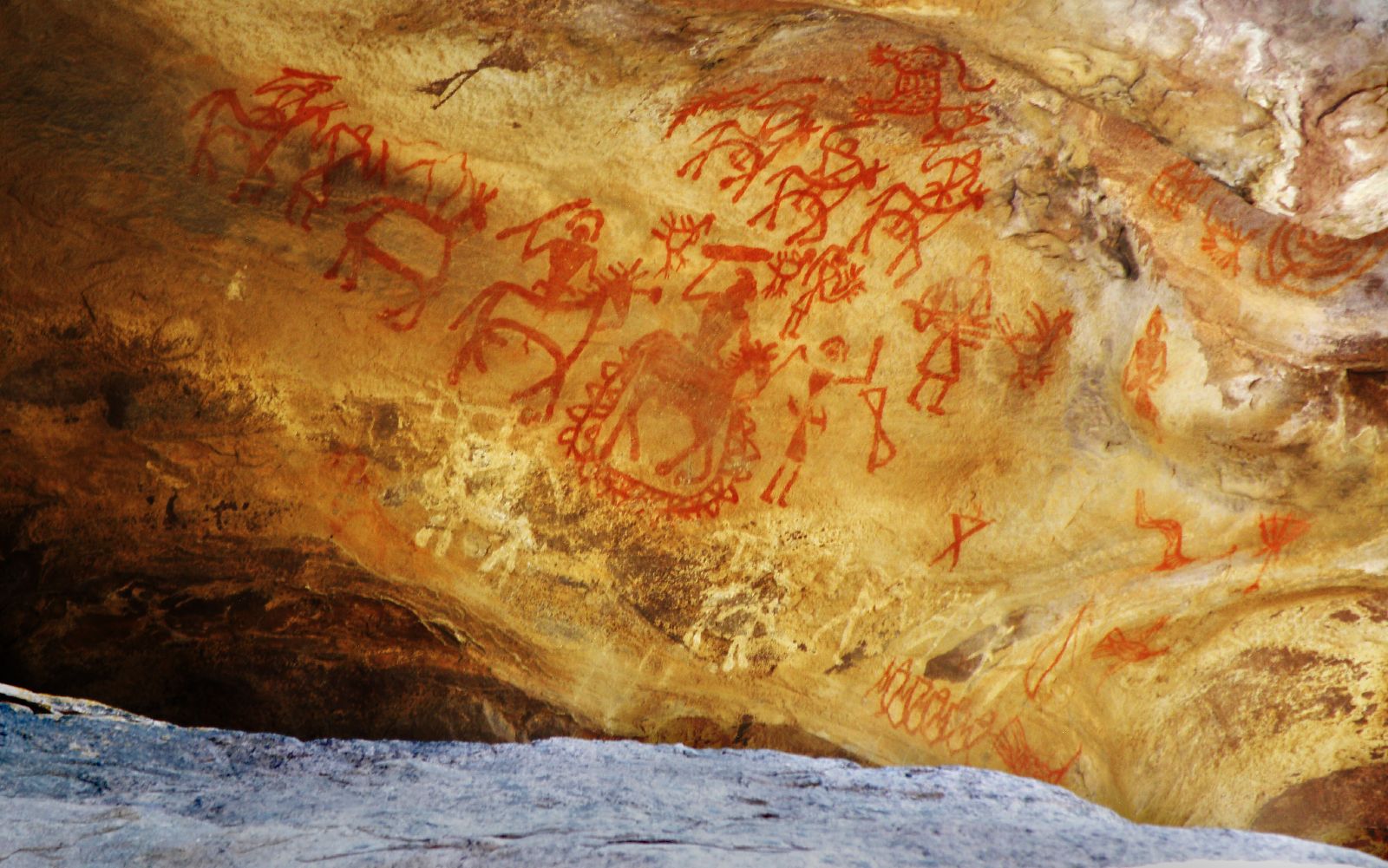
The earliest cave paintings at Bhimbetka are typically dated to the Mesolithic period, around 10,000 BCE (12,000 years ago). However, some studies suggest that certain cupule-like markings may be much older (up to 100,000 years, see Q22). For cave paintings specifically, 10,000 BCE is generally accepted, so the answer is correct but could be clarified to specify “paintings” vs. other markings.
Q7. What does the name “Bhimbetka” mean according to local legend?
A. Place of ancient art
B. Bhima’s resting place
C. Cave of paintings
D. Sacred mountain
Answer: B. Bhima’s resting place
Q8. Which is the largest rock shelter at the Bhimbetka complex?
A. Zoo Rock
B. Boar Rock
C. Auditorium Cave
D. Chief’s Rock
Answer: C. Auditorium Cave
Q9. Who discovered the first stone tools at Attirampakkam in 1863?
A. V. S. Wakankar
B. Robert Bruce Foote
C. G. R. Sharma
D. William King
Answer: B. Robert Bruce Foote
Q10. Attirampakkam is located approximately how far from Chennai?
A. 45 kilometers
B. 50 kilometers
C. 60 kilometers
D. 75 kilometers
Answer: C. 60 kilometers
Q11. The oldest stone tools found at Attirampakkam date back to approximately:
A. 500,000 years ago
B. 1 million years ago
C. 1.5 million years ago
D. 2 million years ago
Answer: C. 1.5 million years ago
Q12. Attirampakkam is situated near which river?
A. Kaveri River
B. Palar River
C. Kortallaiyar River
D. Cooum River
Answer: C. Kortallaiyar River
Q13. Attirampakkam is considered the type site for which prehistoric culture?
A. Acheulian culture
B. Madrasian culture
C. Soanian culture
D. Levallois culture
Answer: B. Madrasian culture
Q14. The Levallois technology at Attirampakkam emerged approximately:
A. 250,000 years ago
B. 300,000 years ago
C. 385,000 years ago
D. 500,000 years ago
Answer: C. 385,000 years ago
Q15. In which state is the Belan Valley located?
A. Madhya Pradesh
B. Bihar
C. Uttar Pradesh
D. Jharkhand
Answer: C. Uttar Pradesh
Q16. The Belan Valley is famous for which of the following archaeological evidence?
A. Earliest pottery in India
B. Earliest evidence of rice cultivation
C. Earliest cave paintings
D. Earliest copper tools
Answer: B. Earliest evidence of rice cultivation
Q17. Which are the two most important excavated sites in the Belan Valley?
A. Koldihwa and Mahagara
B. Chopani Mando and Koldihwa
C. Tokwa and Agiabir
D. Chopani Mando and Pachoh
Answer: B. Chopani Mando and Koldihwa
Q18. Who led the major excavations in the Belan Valley?
A. Robert Bruce Foote
B. V.
S. Wakankar
C. G.
R. Sharma
D. Shanti Pappu
Answer: C. G.
R. Sharma
Q19. The evidence of rice cultivation at Koldihwa dates back to approximately:
A. 5000 BCE
B. 6000 BCE
C. 7000 BCE
D. 8000 BCE
Answer: C. 7000 BCE
Q20. The Belan Valley shows a complete cultural sequence from which periods?
A. Lower Paleolithic to Neolithic
B. Middle Paleolithic to Iron Age
C. Paleolithic to Protohistoric
D. Mesolithic to Chalcolithic
Answer: C. Paleolithic to Protohistoric
Q21. Bhimbetka rock shelters are situated on the foothills of which mountain range?
A. Satpura Range
B. Vindhya Range
C. Aravalli Range
D. Western Ghats
Answer: B. Vindhya Range
Q22. The cup-like depressions found at the end of Auditorium Rock Shelter at Bhimbetka are dated to approximately:
A. 50,000 years ago
B. 75,000 years ago
C. 100,000 years ago
D. 150,000 years ago
Answer: C. 100,000 years ago
Q23. Which dating method was first used at Attirampakkam to determine the age of stone tools?
A. Radiocarbon dating
B. Cosmic ray exposure dating
C. Potassium-argon dating
D. Thermoluminescence dating
Answer: B. Cosmic ray exposure dating
Q24. The “Zoo Rock” at Bhimbetka is famous for:
A. Animal fossil discoveries
B. Dense concentration of cave paintings
C. Largest rock shelter
D. Earliest human remains
Answer: B. Dense concentration of cave paintings
Q25. At Attirampakkam, the transition from Acheulian to Middle Paleolithic culture occurred around:
A. 200,000 years ago
B. 250,000 years ago
C. 300,000 years ago
D. 380,000 years ago
Answer: D. 380,000 years ago
Q26. The Belan Valley is located in the foothills of which specific part of the Vindhya Mountains?
A. Eastern Vindhyas
B. Western Vindhyas
C. Northern spurs of Vindhyas
D. Southern spurs of Vindhyas
Answer: C. Northern spurs of Vindhyas
Q27. Which volcanic ash layer was discovered in the Belan Valley deposits?
A. Krakatoa ash
B. Toba volcanic ash
C. Yellowstone ash
D. Deccan Trap ash
Answer: B. Toba volcanic ash
Q28. The Toba volcanic ash found in Belan Valley dates back to approximately:
A. 50,000 years ago
B. 65,000 years ago
C. 74,000 years ago
D. 85,000 years ago
Answer: C. 74,000 years ago
Q29. What material were the Upper Paleolithic tools in Belan Valley primarily made from?
A. Quartzite
B. Basalt
C. Chert
D. Sandstone
Answer: C. Chert
Q30. The “Nataraj” painting at Bhimbetka depicts:
A. A dancing figure with a trident-like staff
B. A hunting scene
C. Religious rituals
D. Animal worship
Answer: A. A dancing figure with a trident-like staff