


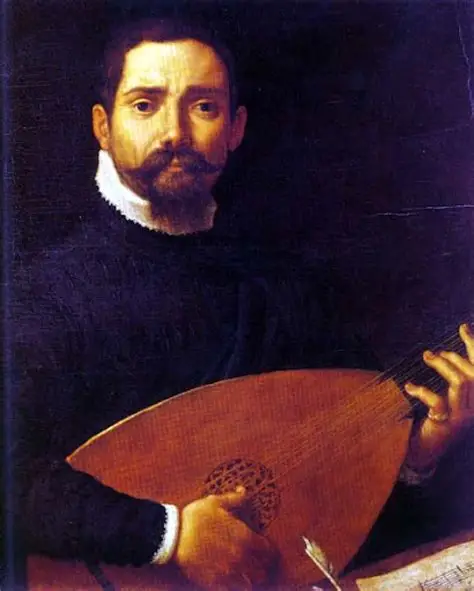
Q1. In which city was Giovanni Gabrieli born around the mid-16th century?
A. Munich, Germany
B. Venice, Italy
C. Florence, Italy
D. Rome, Italy
Answer: B. Venice, Italy
Q2. What was the approximate year of Giovanni Gabrieli’s birth?
A. 1520
B. 1540
C. 1556
D. 1585
Answer: C. 1556
Q3. What caused Giovanni Gabrieli’s death in 1612?
A. Plague outbreak
B. Battle wounds
C. Kidney stone complications
D. Old age-related illness
Answer: C. Kidney stone complications
Q4. Who was Giovanni Gabrieli’s uncle and primary early musical mentor?
A. Andrea Gabrieli
B. Adrian Willaert
C. Orlando di Lasso
D. Heinrich Schutz
Answer: A. Andrea Gabrieli
Q5. From which family did Giovanni Gabrieli come, and how many siblings did he have?
A. A family of six, including five siblings
B. A family of three, including one sibling
C. An only child in a musical dynasty
D. A family of seven, including six siblings
Answer: A. A family of five, including five siblings
Q6. Where did Giovanni Gabrieli study under Orlando di Lasso from 1575 to 1579?
A. Venice, Italy
B. Florence, Italy
C. Munich, Germany
D. Vienna, Austria
Answer: C. Munich, Germany
Q7. For whom did Giovanni Gabrieli work while studying in Munich during the 1570s?
A. The Fugger family
B. The Duke of Bavaria
C. Archduke Ferdinand of Austria
D. The Medici family
Answer: B. The Duke of Bavaria
Q8. In what year did Giovanni Gabrieli return to Venice after his time in Munich?
A. 1575
B. 1579
C. 1584
D. 1597
Answer: C. 1584
Q9. What position did Giovanni Gabrieli hold at St. Mark’s Basilica starting in 1585?
A. Principal composer
B. Second organist
C. Choir director
D. Music teacher
Answer: A. Principal composer
Q10. After his uncle’s death in 1586, what role did Giovanni Gabrieli primarily assume at St. Mark’s?
A. Organ builder
B. Chapel composer
C. Liturgical planner
D. Instrument curator
Answer: B. Chapel composer
Q11. What was the title of Giovanni Gabrieli’s major publication from 1597 that included sacred motets and instrumental pieces?
A. Symphoniae Sacrae
B. Canzoni da Sonare
C. Motetti di San Marco
D. Madrigali Spirituali
Answer: A. Symphoniae Sacrae
Q12. Which of Giovanni Gabrieli’s works is posthumously published in 1615 as a second volume of sacred symphonies?
A. Sonata pian’ e forte
B. In ecclesiis
C. Sacrae symphoniae
D. Jubilate Deo
Answer: C. Sacrae symphoniae
Q13. What is the name of Giovanni Gabrieli’s motet considered a masterpiece, featuring four soloists, choir, and various instruments?
A. O Jesu mi dulcissime
B. In ecclesiis
C. Angelus ad pastores
D. Timor et tremor
Answer: B. In ecclesiis
Q14. Which early work by Giovanni Gabrieli first indicated specific dynamics like “pian’ e forte”?
A. Sonata pian’ e forte
B. Jubilate for double choir
C. Canzon septimi toni
D. Deus qui beatum Marcum
Answer: A. Sonata pian’ e forte
Q15. In the 1587, where were Giovanni Gabrieli’s first published pieces primarily featured?
A. In Venetian anthologies
B. Volume of Concerti
C. Roman motet books
D. Florentine madrigals
Answer: B. Volume of Concerti
Q16. What musical technique, involving separated choirs, is central to Giovanni Gabrieli’s style?
A. Monody
B. Fuga
C. Cori spezzati
D. Ostinato
Answer: C. Cori spezzati
Q17. How many choirs did Giovanni Gabrieli sometimes employ in his polychoral compositions?
A. Up to seven
B. Up to eight
C. Up to nine
D. Up to ten
Answer: A. Up to seven
Q18. Which instruments did Giovanni Gabrieli frequently specify in his scores, such as cornetts and sackbuts?
A. Strings and lutes
B. Brass and woodwinds
C. Percussion and harps
D. Keyboards and viols
Answer: B. Brass and woodwinds
Q19. What innovation did Giovanni Gabrieli introduce in his Sonata pian’ e forte regarding performance?
A. Tempo markings
B. Key signatures
C. Dynamic indications
D. Metronome speeds
Answer: C. Dynamic indications
Q20. How did Giovanni Gabrieli exploit the architecture of St. Mark’s Basilica in his music?
A. Through linear staging
B. Via spatial antiphonal effects
C. With elevated solo platforms
D. By centralizing the organ
Answer: B. Via spatial antiphonal effects
Q21. Which Flemish composer, founder of the Venetian School, indirectly influenced Giovanni Gabrieli’s polychoral style?
A. Josquin des Prez
B. Orlando di Lasso
C. Adrian Willaert
D. Giovanni Pierluigi da Palestrina
Answer: C. Adrian Willaert
Q22. Who served as Giovanni Gabrieli’s teacher during his formative years in Venice?
A. Claudio Monteverdi
B. His uncle Andrea Gabrieli
C. Giovanni Bassano
D. Costanzo Porta
Answer: B. His uncle Andrea Gabrieli
Q23. What foreign connections helped Giovanni Gabrieli gain international recognition?
A. Spanish royal courts
B. English diplomatic ties
C. His uncle’s travels and pupils like Hans Leo Hassler
D. French Huguenot networks
Answer: C. His uncle’s travels and pupils like Hans Leo Hassler
Q24. Which patron family supported Giovanni Gabrieli through his uncle’s connections?
A. The Medicis
B. The Fuggers
C. The Estes
D. The Sforzas
Answer: B. The Fuggers
Q25. During his Munich years, under whom did Giovanni Gabrieli study advanced composition?
A. Jacobus de Kerle
B. Ludwig Senfl
C. Orlando di Lasso
D. Hans Leo Hassler
Answer: C. Orlando di Lasso