


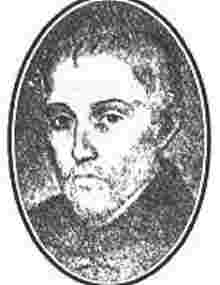
Q1. In which modern-day country was Tomas Luis de Victoria born?
A. Italy
B. Portugal
C. Spain
D. France
Answer: C. Spain
Q2. Approximately in which year was Victoria born?
A. 1535
B. 1548
C. 1562
D. 1575
Answer: B. 1548
Q3. Which composer was Victoria’s older contemporary and fellow Spaniard, often compared to him?
A. Giovanni Pierluigi da Palestrina
B. Orlando di Lasso
C. Cristobal de Morales
D. Claudio Monteverdi
Answer: A. Giovanni Pierluigi da Palestrina
Q4. Victoria spent most of his professional life in which European city?
A. Madrid
B. Seville
C. Rome
D. Venice
Answer: C. Rome
Q5. To which religious order did Victoria belong after his ordination as a priest?
A. Benedictine
B. Franciscan
C. Jesuit
D. Oratorian
Answer: D. Oratorian
Q6. Victoria’s motet “O magnum mysterium” is written for how many voices?
A. 4
B. 5
C. 6
D. 8
Answer: A. 4
Q7. Which of Victoria’s masses is a parody mass based on his own motet “Ave Maria”?
A. Missa Ave Maria
B. Missa Alma Redemptoris mater
C. Missa Salve regina
D. Missa Gaudeamus
Answer: A. Missa Ave Maria
Q8. In which year did Victoria publish his first book of motets in Venice?
A. 1568
B. 1572
C. 1583
D. 1592
Answer: B. 1572
Q9. Which Spanish monarch did Victoria serve as chapelmaster to the Dowager Empress Maria?
A. Philip II
B. Charles V
C. Philip III
D. Ferdinand II
Answer: A. Philip II
Q10. Victoria’s “Officium Defunctorum” was written for the funeral of which royal figure?
A. Queen Isabella
B. Empress Maria
C. King Philip II
D. Infanta Margarita
Answer: B. Empress Maria
Q11. How many masses did Victoria officially publish during his lifetime?
A. 9
B. 12
C. 21
D. 24
Answer: C. 21
Q12. Victoria’s motet “Ave Maria” is composed for how many voices?
A. 4
B. 6
C. 8
D. 12
Answer: C. 8
Q13. Which printing house in Madrid published Victoria’s complete masses, motets, and hymns in 1600?
A. Plantin Press
B. Typographia Regia
C. Venetian Senate Press
D. Scotto Press
Answer: B. Typographia Regia
Q14. Victoria studied at the Jesuit Collegio Germanico in Rome under which famous maestro?
A. Giovanni Pierluigi da Palestrina
B. Jacobus de Kerle
C. Costanzo Porta
D. Tomas de Santa Maria
Answer: A. Giovanni Pierluigi da Palestrina
Q15. Which polychoral technique did Victoria occasionally employ, though less than Giovanni Gabrieli?
A. Monody
B. Cori spezzati
C. Basso continuo
D. Concertato style
Answer: B. Cori spezzati
Q16. Victoria’s “Tenebrae Responsories” are settings for which liturgical occasion?
A. Christmas
B. Easter
C. Holy Week
D. Pentecost
Answer: C. Holy Week
Q17. In which collection did Victoria publish his “Officium Hebdomadae Sanctae”?
A. 1585
B. 1593
C. 1600
D. 1611
Answer: A. 1585
Q18. Which hymn by Victoria is a famous setting of the Passiontide text “Pange lingua”?
A. Vexilla regis
B. Pange lingua gloriosi
C. Adoro te devote
D. Ave maris stella
Answer: B. Pange lingua gloriosi
Q19. Victoria’s Magnificat settings are notable for alternating verses in what two styles?
A. Plainchant and polyphony
B. Polyphony and homophony
C. Organum and fauxbourdon
D. Monophony and heterophony
Answer: A. Plainchant and polyphony
Q20. Which of Victoria’s works is a double-choir motet for the Ascension?
A. Veni Creator Spiritus
B. Ascendens Christus in altum
C. Surrexit pastor bonus
D. Duo seraphim
Answer: B. Ascendens Christus in altum
Q21. Victoria’s “Missa pro Victoria” is a parody mass based on which motet by?
A. His own “Victoria Christus”
B. Guerrero’s “Ave virgo sanctissima”
C. Janequin’s “La bataille”
D. Palestrina’s “Missa Papae Marcelli”
Answer: C. Janequin’s “La bataille”
Q22. How many voices are in Victoria’s parody mass “Missa Laetatus sum”?
A. 4
B. 5
C. 8
D. 12
Answer: D. 12
Q23. Which Spanish city was Victoria appointed maestro de capilla at its royal monastery in 1603?
A. El Escorial
B. Toledo
C. Valladolid
D. Granada
Answer: A. El Escorial
Q24. Victoria’s last published work, in 1611, was a collection of what type of compositions?
A. Masses
B. Motets
C. Hymns
D. Psalms
Answer: B. Motets
Q25. Which counter-reformation council’s decrees influenced Victoria’s sacred style?
A. Council of Constance
B. Council of Trent
C. Lateran Council V
D. Council of Basel
Answer: B. Council of Trent