

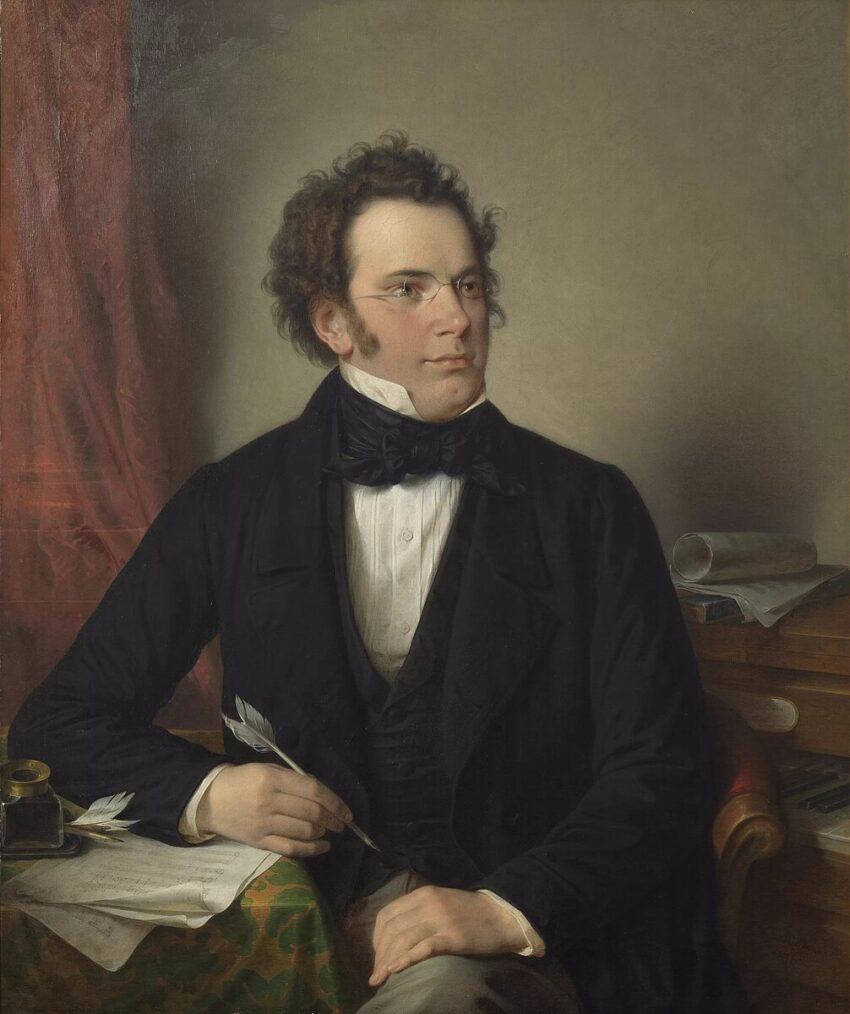
Q1. In which year was Franz Schubert born?
A. 1797
B. 1787
C. 1807
D. 1777
Answer: A. 1797
Q2. In which city was Franz Schubert born?
A. Salzburg
B. Vienna
C. Bonn
D. Leipzig
Answer: B. Vienna
Q3. What was Schubert’s primary instrument, which he mastered as a child?
A. Violin
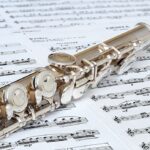
B. Flute
C. Piano
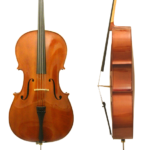
D. Cello
Answer: C. Piano
Q4. Which of Schubert’s symphonies is famously known as the “Unfinished Symphony”?
A. Symphony No. 5
B. Symphony No. 8
C. Symphony No. 3
D. Symphony No. 9
Answer: B. Symphony No. 8
Q5. Schubert is most celebrated for his contributions to which musical genre?
A. Lieder (art songs)
B. Opera
C. Concerto
D. Oratorio
Answer: A. Lieder (art songs)
Q6. Which of the following is a famous song cycle composed by Schubert?
A. Dichterliebe
B. Winterreise
C. Kindertotenlieder
D. Wesendonck Lieder
Answer: B. Winterreise
Q7. How many symphonies did Schubert compose, including both completed and incomplete works?
A. 7
B. 9
C. 10
D. 12
Answer: B. 9
Q8. What was the primary language of the texts Schubert used for his Lieder?
A. French
B. Italian
C. German
D. English
Answer: C. German
Q9. Which poet’s works were frequently set to music by Schubert in his Lieder?
A. Johann Wolfgang von Goethe
B. Friedrich Nietzsche
C. Rainer Maria Rilke
D. Paul Verlaine
Answer: A. Johann Wolfgang von Goethe
Q10. Which of Schubert’s chamber works is nicknamed the “Trout Quintet”?
A. Piano Trio in E-flat Major, D. 929
B. String Quartet in D Minor, D. 810
C. Piano Quintet in A Major, D. 667
D. String Quintet in C Major, D. 956
Answer: C. Piano Quintet in A Major, D. 667
Q11. Which of Schubert’s works is considered his final symphony?
A. Symphony No. 6
B. Symphony No. 7
C. Symphony No. 9
D. Symphony No. 8
Answer: C. Symphony No. 9
Q12. What is the nickname of Schubert’s Symphony No. 9 in C Major?
A. The Great
B. The Little
C. The Tragic
D. The Joyful
Answer: A. The Great
Q13. During his lifetime, Schubert’s music was primarily performed in which setting?
A. Large concert halls
B. Churches
C. Private homes and salons
D. Royal courts
Answer: C. Private homes and salons
Q14. What term describes the informal musical gatherings where Schubert’s works were often performed?
A. Schubertiades
B. Liederkreise
C. Musikabende
D. Hauskonzerte
Answer: A. Schubertiades
Q15. Which of Schubert’s operas was completed but never performed during his lifetime?
A. Fidelio
B. Die Zauberflote
C. Alfonso und Estrella
D. Der Freischutz
Answer: C. Alfonso und Estrella
Q16. Schubert’s health declined due to which illness in the 1820s?
A. Tuberculosis
B. Syphilis
C. Cholera
D. Pneumonia
Answer: B. Syphilis
Q17. At what age did Franz Schubert pass away?
A. 31
B. 41
C. 51
D. 61
Answer: A. 31
Q18. Which composer was a significant influence on Schubert’s early musical development?
A. Ludwig van Beethoven
B. Wolfgang Amadeus Mozart
C. Joseph Haydn
D. Antonio Salieri
Answer: D. Antonio Salieri
Q19. Which of Schubert’s string quartets is nicknamed “Death and the Maiden”?
A. String Quartet No. 12
B. String Quartet No. 13
C. String Quartet No. 14
D. String Quartet No. 15
Answer: C. String Quartet No. 14
Q20. What is the catalog designation (D. number) for Schubert’s “Death and the Maiden” quartet?
A. D. 810
B. D. 759
C. D. 898
D. D. 956
Answer: A. D. 810
Q21. Which of Schubert’s piano sonatas is considered one of his last and most profound?
A. Piano Sonata in G Major, D. 894
B. Piano Sonata in C Minor, D. 958
C. Piano Sonata in A Major, D. 664
D. Piano Sonata in E-flat Major, D. 568
Answer: B. Piano Sonata in C Minor, D. 958
Q22. Which instrument is NOT typically included in Schubert’s “Trout Quintet”?
A. Violin
B. Viola
C. Cello
D. Flute
Answer: D. Flute
Q23. Schubert’s song cycle “Die schöne Müllerin” is based on poems by which poet?
A. Wilhelm Müller
B. Heinrich Heine
C. Friedrich Rückert
D. Joseph von Eichendorff
Answer: A. Wilhelm Müller
Q24. Which of Schubert’s works is a large-scale chamber piece for two violins, viola, and two cellos?
A. Octet in F Major, D. 803
B. Piano Trio in B-flat Major, D. 898
C. String Quintet in C Major, D. 956
D. String Quartet in G Major, D. 887
Answer: C. String Quintet in C Major, D. 956
Q25. What is the primary key of Schubert’s “Unfinished Symphony”?
A. C Major
B. B Minor
C. D Major
D. E-flat Major
Answer: B. B Minor