


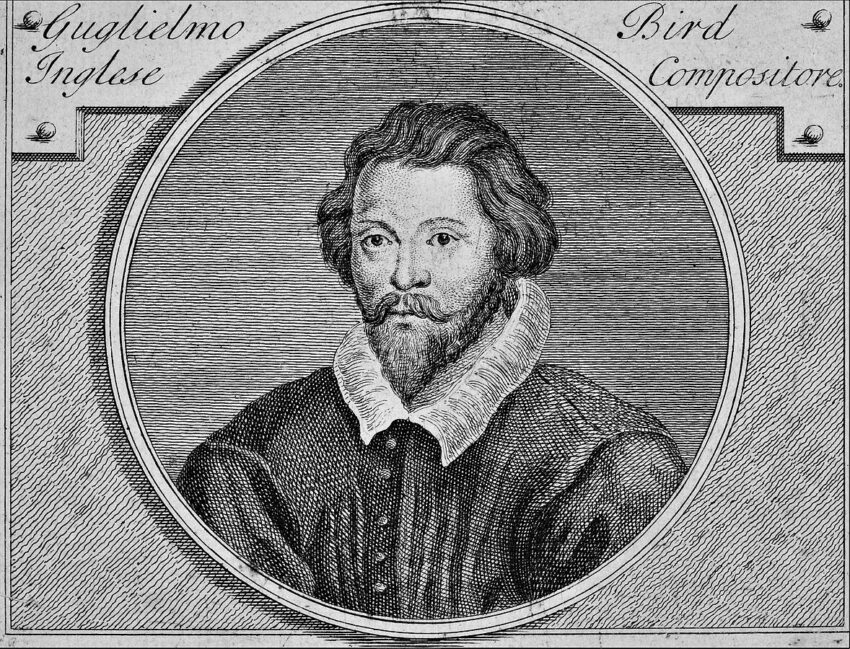
Q1. William Byrd is widely regarded as one of the greatest composers of which historical period?
A. Medieval
B. Renaissance
C. Baroque
D. Classical
Answer: B. Renaissance
Q2. In which year was William Byrd born?
A. 1540
B. 1545
C. 1563
D. 1572
Answer: A. 1540
Q3. Byrd spent much of his professional life associated with which institution?
A. St. Paul’s Cathedral
B. Westminster Abbey
C. Chapel Royal
D. Canterbury Cathedral
Answer: C. Chapel Royal
Q4. Which English monarch granted Byrd and Thomas Tallis a joint monopoly on music printing in 1575?
A. Elizabeth I
B. Edward VI
C. Henry VIII
D. James I
Answer: A. Elizabeth I
Q5. Byrd was a devout practitioner of which branch of Christianity, despite official persecution?
A. Protestantism
B. Roman Catholicism
C. Anglicanism
D. Puritanism
Answer: B. Roman Catholicism
Q6. Which collection, published in 1588, contains Byrd’s first set of English sacred songs?
A. Cantiones Sacrae
B. Gradualia
C. Psalmes, Sonets and Songs
D. My Ladye Nevells Booke
Answer: C. Psalmes, Sonets and Songs
Q7. The joint publication with Tallis in 1575 is known as:
A. Cantiones Sacrae
B. Liber Primus Sacrarum Cantionum
C. Songs of Sundrie Natures
D. Parthenia
Answer: A. Cantiones Sacrae
Q8. Byrd’s three Mass settings (for 3, 4, and 5 voices) were composed during which decade?
A. 1560s
B. 1570s
C. 1590s
D. 1600s
Answer: C. 1590s
Q9. Byrd’s “Gradualia” (1605 and 1607) is primarily a collection of music for:
A. Anglican services
B. Latin Mass Propers
C. English anthems
D. Secular madrigals
Answer: B. Latin Mass Propers
Q10. Which composer is NOT a contemporary English colleague of Byrd?
A. Thomas Tallis
B. John Dowland
C. Orlando Gibbons
D. Claudio Monteverdi
Answer: D. Claudio Monteverdi
Q11. In which city did Byrd die on 4 July 1623?
A. London
B. Stondon Massey
C. Lincoln
D. Oxford
Answer: B. Stondon Massey
Q12. Byrd’s “Consort Songs” were originally written for solo voice accompanied by:
A. Organ
B. Lute
C. Viol consort
D. Harpsichord
Answer: C. Viol consort
Q13. Which of the following is a famous keyboard piece by Byrd depicting a battle?
A. The Carman’s Whistle
B. The Battell
C. The Bells
D. Walsingham
Answer: B. The Battell
Q14. Byrd’s motet “Ave verum corpus” is written for how many voices?
A. 2
B. 3
C. 4
D. 5
Answer: C. 4
Q15. The publication “Songs of Sundrie Natures” (1589) contains sacred and secular works in how many to how many parts?
A. 3–4
B. 3–6
C. 4–5
D. 5–8
Answer: B. 3–6
Q16. Which English poet’s verses did Byrd set in his 1588 collection “Psalmes, Sonets and Songs”?
A. William Shakespeare
B. Edmund Spenser
C. Sir Philip Sidney
D. Thomas Wyatt
Answer: C. Sir Philip Sidney
Q17. Which instrument did Byrd NOT write substantial solo repertoire for?
A. Virginals
B. Organ
C. Lute
D. Viol
Answer: C. Lute
Q18. Byrd’s “Civitas sancti tui” is a motet protesting the treatment of:
A. Protestants
B. Catholics
C. Puritans
D. Anglicans
Answer: B. Catholics
Q19. The keyboard collection “Parthenia” (1612–13), which includes works by Byrd, was the first printed music for:
A. Virginals
B. Organ
C. Harpsichord
D. Clavichord
Answer: A. Virginals
Q20. Which of Byrd’s works is a set of variations on the popular tune “John come kiss me now”?
A. The Maiden’s Song
B. The Woods so Wild
C. John come kiss me now
D. Fortune my Foe
Answer: C. John come kiss me now
Q21. Which English location served as Byrd’s primary residence in later life, where he owned property?
A. Harlington
B. Stondon Massey
C. Twickenham
D. Ingatestone
Answer: B. Stondon Massey
Q22. Byrd’s “The Earl of Salisbury Pavan and Galliard” was composed in memory of:
A. Robert Cecil
B. Henry Frederick, Prince of Wales
C. Queen Anne
D. Sir Walter Raleigh
Answer: A. Robert Cecil
Q23. The Latin term “cantiones sacrae” translates to:
A. Divine hymns
B. Holy chants
C. Sacred songs
D. Sacred madrigals
Answer: C. Sacred songs
Q24. Which of Byrd’s keyboard works is based on the hexachord (Ut, re, mi, fa, sol, la)?
A. Felix Namque
B. Ut re mi fa sol la
C. Miserere
D. Salvator Mundi
Answer: B. Ut re mi fa sol la
Q25. Byrd’s “Infelix ego” is a large-scale motet based on a text by:
A. Girolamo Savonarola
B. St. Augustine
C. Thomas Aquinas
D. St. Bernard of Clairvaux
Answer: A. Girolamo Savonarola